Articles
November 25, 2026
8
Mins Read

Electric vehicles are moving from a niche to a growing part of Saudi Arabia's automotive market. Under Vision 2030, the Kingdom aims for 30% of vehicles in Riyadh to be electric by 2030, as part of a wider plan to cut emissions in the capital. Local EV manufacturing is taking shape, new brands are entering the market, and dealers and distributors are adding more electric models to their line-ups every year. As this shift grows, so does a question many automotive businesses now face: does electric vehicle logistics in Saudi work the same way as it does for petrol cars?
The short answer is no. An EV and a petrol car move through the same journey, from RoRo shipping and port handling to land transport, stock yards, and final delivery. But the battery changes how each stage must be handled, which standards apply, and what can go wrong if those standards are missed.
In this article, we walk through every stage of the finished vehicle logistics journey, explain how EV handling differs from petrol cars, and show what a logistics partner needs to get right.
The biggest difference between an electric vehicle and a petrol car is the battery. Both carry a small 12V battery for lights, locks, and electronics. But an EV also carries a large high-voltage lithium-ion battery that powers the car itself and often adds hundreds of kilograms to its weight. That battery changes three things in logistics:
▪️Maintaining battery charge limits at every stage.
▪️Managing added weight as EVs are heavier.
▪️Following special safety standards for battery fire risks.
In a petrol car, the 12V battery is a minor concern. In an EV, the high-voltage battery is the most critical component, and it needs the right care at every stage of the journey. A drained or damaged battery can delay delivery and lead to costly repairs. With global safety standards for EVs still evolving, an experienced logistics partner and clear processes make all the difference.
RoRo shipping remains the main way finished vehicles reach Saudi Arabia, and electric vehicles travel on the same vessels as petrol cars. The difference is in how they're prepared before loading and how they're handled on board.
For petrol cars, carriers mainly keep fuel to the minimum needed to drive on and off the vessel, limiting the fire load on board. For EVs, the focus is the battery's charge. Most RoRo shipping lines require EVs to arrive with 20% to 50%, and many enforce 30% to 50%. That range isn't random.
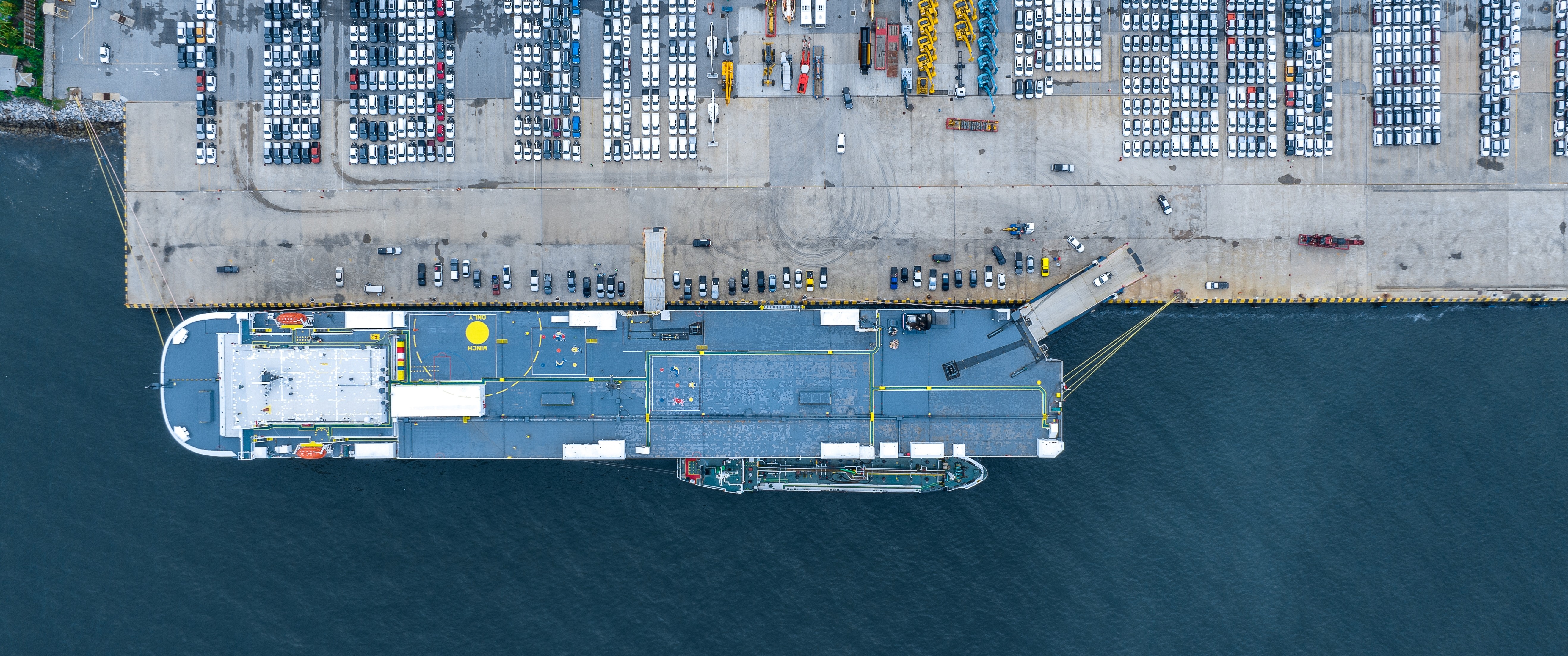
A fuller battery stores more energy, so if a fire starts, it burns hotter and is harder to control on a crowded deck.
EVs must be driven on and off vessels and car carriers, and they lose some charge during weeks at sea. A low battery can fall into deep discharge, which can permanently damage it.
It's the balance point: low enough to limit fire risk, high enough to keep the vehicle moving until it's charged again. Vehicles stay switched off and unplugged throughout the voyage.
Carriers also require each EV's charge level and any battery defects to be declared before loading, and usually refuse vehicles with suspected battery damage. Ramps add risk too, as low EVs can scrape their battery housing. International marine insurers recommend keeping charge as low as practical within the carrier's window.
Global rules are still developing, with the International Maritime Organization (IMO) working on new fire safety measures for ships carrying EVs. A partner who follows these updates keeps shipments compliant and on schedule. Learn more in our RoRo vehicle import guide.
Once vessels arrive, EVs move through port handling and customs clearance alongside petrol cars. The differences come in two areas: the type of damage inspectors look for, and the conformity requirements EVs must meet to clear customs.
On a petrol car, an underbody impact is usually a repair issue. On an EV, a hard impact can damage the battery housing, which in most EVs runs along the floor of the car, and create a fire risk that may only appear hours later.
Standard damage codes were designed for dents, scratches, and glass, so EV arrival checks add new categories:
▪️Battery housing and underbody impacts.
▪️Charging port damage.
▪️High-voltage cable and cooling issues.
▪️Battery warning lights.
Any EV with suspected battery damage is moved to an isolated quarantine area and monitored, often for 24 hours or more, before it continues its journey.
Customs clearance also has EV-specific requirements. Saudi Arabia regulates electric vehicles under the technical regulation for EVs issued by the Saudi Standards, Metrology and Quality Organization (SASO), and importers need:
▪️A SASO Certificate of Conformity for EVs.
▪️A Certificate of Conformity for EV chargers and accessories.
▪️A shipment certificate through the SABER platform.
Preparing these before arrival avoids clearance delays and extra port storage charges. Once a vehicle passes customs, it receives a Vehicle Clearance Certificate, confirming it's ready to enter the Kingdom.
After clearance, electric vehicles move by car carrier to stock yards or directly to dealers. In Saudi Arabia, that can mean journeys of 1,000 kilometers or more, and EVs change these journeys in two ways.
The first is weight. Each car carrier has a legal weight limit for the whole load, and because EVs are heavier, fewer of them fit on each trip. That affects transport planning and cost.
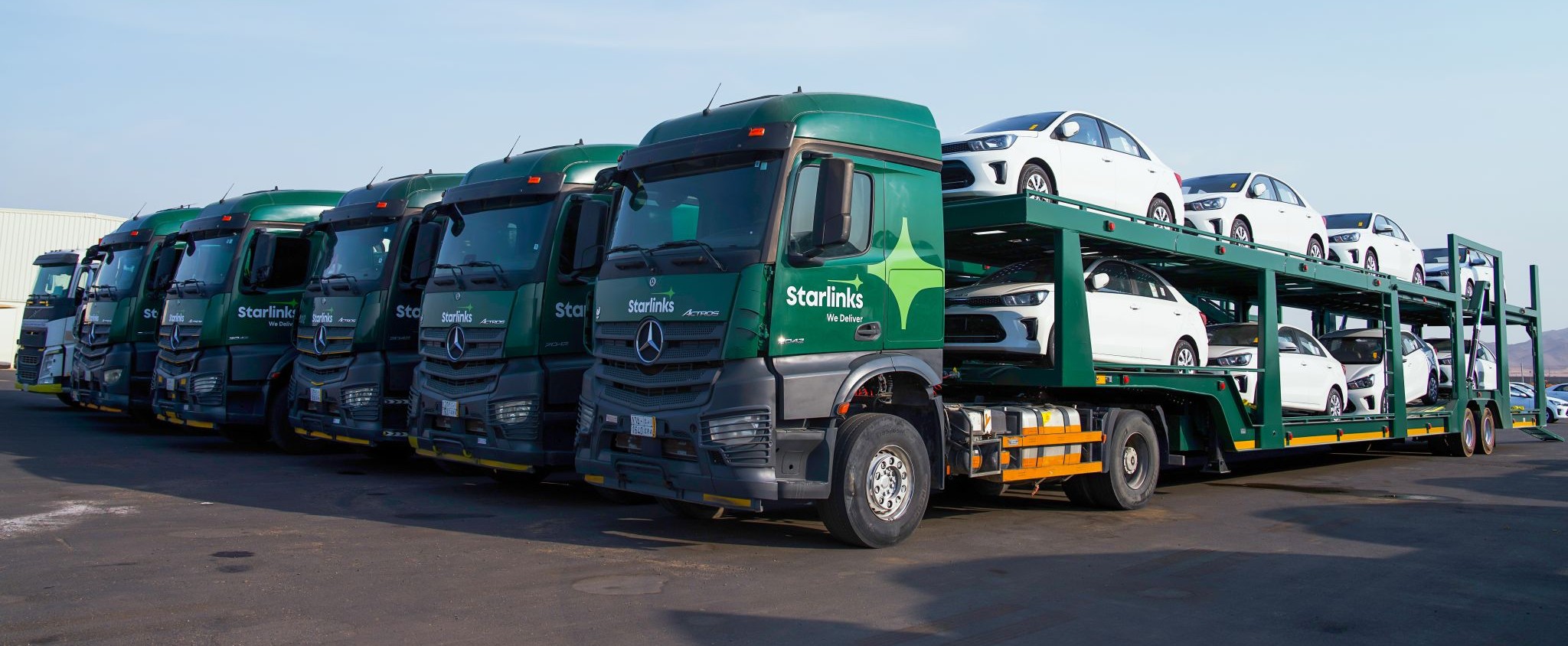
The second is charge. Car carriers rely on vehicles driving off under their own power, so an EV that arrives with too little charge can't be unloaded normally. Checking charge levels before departure keeps every vehicle moving to the next stage on schedule.
Stock yards are where electric vehicles spend the most time before reaching customers, sometimes weeks or months. Both petrol cars and EVs need regular stock maintenance in the yard, but for EVs, the checks and processes are different, built around protecting the battery and keeping its charge within the right range.
When an EV arrives at the yard, it gets the standard damage inspection plus EV-specific checks: battery charge level, warning lights, charging port condition, and underbody condition. Any EV that arrives below the minimum charge set by its manufacturer (OEM) is flagged for charging. Each vehicle's condition and charge level are then recorded in the yard management system from day one.
There's no single storage rule for EVs. Recommended storage charge levels vary by manufacturer, from around 40% to 50% for some brands to 50% to 70% for others. Check intervals vary too, usually from monthly to once every three months, and many brands require a top-up once the battery drops below a set level, such as 30%. Letting a battery fall too low is the most expensive mistake, since a deeply discharged high-voltage battery may need to be replaced.
The 12V battery also behaves differently. In an EV, the high-voltage battery keeps the 12V battery charged, but only while the EV system is active. Opening doors or waking the car without activating the system drains the 12V battery, so stored EVs need their system switched on regularly, as their OEM specifies. Regular checks for stored EVs include:
▪️Charge level against OEM limits.
▪️12V battery voltage.
▪️Powering on and moving the vehicle.
▪️Battery warning lights.
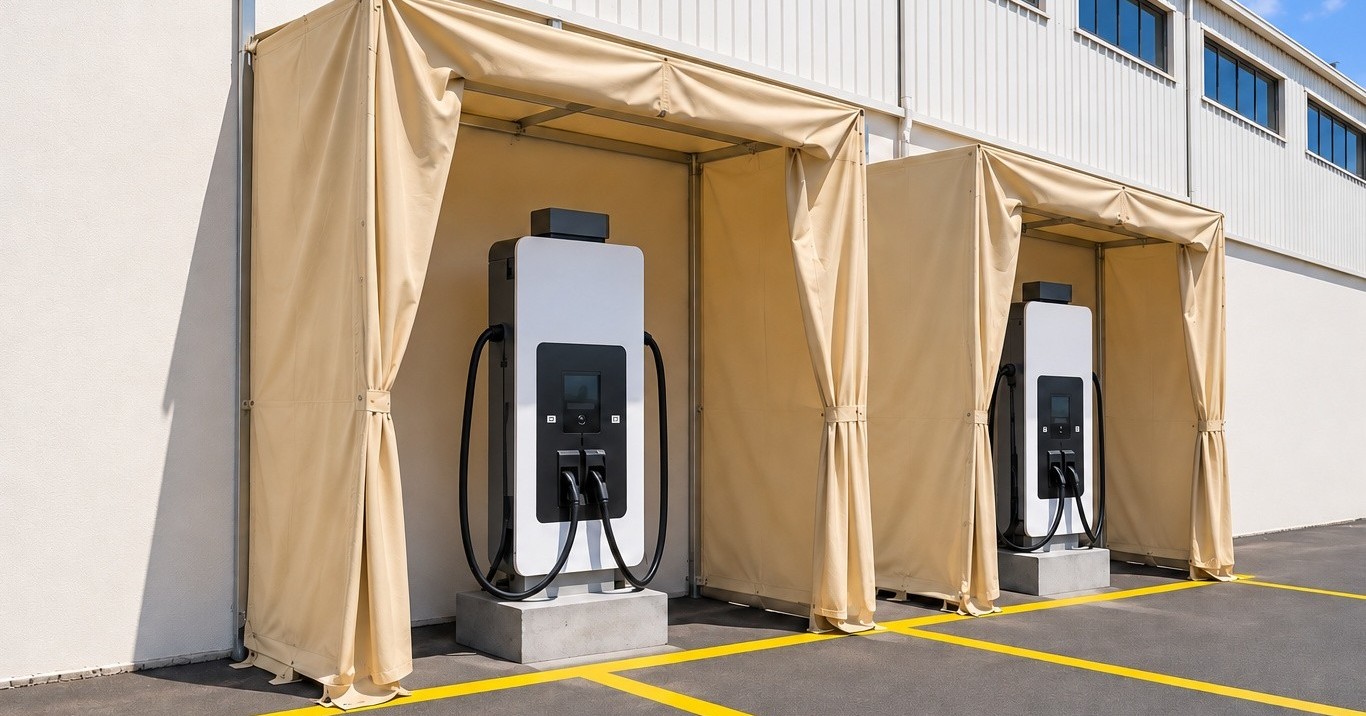
Charging in the yard is planned in advance. Vehicles are charged back into their OEM's range when they drop below the minimum, and charged to the level the dealer or OEM requires before dispatch. Some manufacturers also recommend keeping long-stored EVs connected to a standard AC charger with a capped charge limit. Unlike refueling a petrol car in minutes, charging can take hours, so it's scheduled into storage and dispatch plans to avoid delays.
Pre-delivery inspection (PDI) is the final check before an electric vehicle leaves the yard. On top of the mechanical and visual checks every car gets, EV PDI covers items a petrol car doesn't have:
▪️High-voltage battery state of health.
▪️Charging test through the charge port.
▪️Software version and pending updates.
▪️Battery cooling system check.
These checks confirm each EV reaches the showroom with a healthy battery, up-to-date software, and the charge level the customer expects.
At Starlinks, our automotive logistics operations cover the full finished vehicle logistics journey, from RoRo shipping and port clearance to car transportation, stock yards, and on-site yard services. Our infrastructure, operations, and facilities are fully ready to handle electric vehicles at every stage, and we are proud to partner with leading EV brands in Saudi Arabia.
Our stock yards span 500,000 SQM in Jeddah with capacity for 18,000 vehicles, and 350,000 SQM across two Riyadh yards with capacity for 11,250 vehicles. Every vehicle moves through the same eight stages, from inbound inspection and storage to EV charging, PDI, and outbound.

Our car carrier fleet connects ports, yards, and dealers across the Kingdom, giving brands full control over every vehicle move. Every trip is managed through our transportation management system (TMS), with route planning and real-time tracking from pickup to delivery.
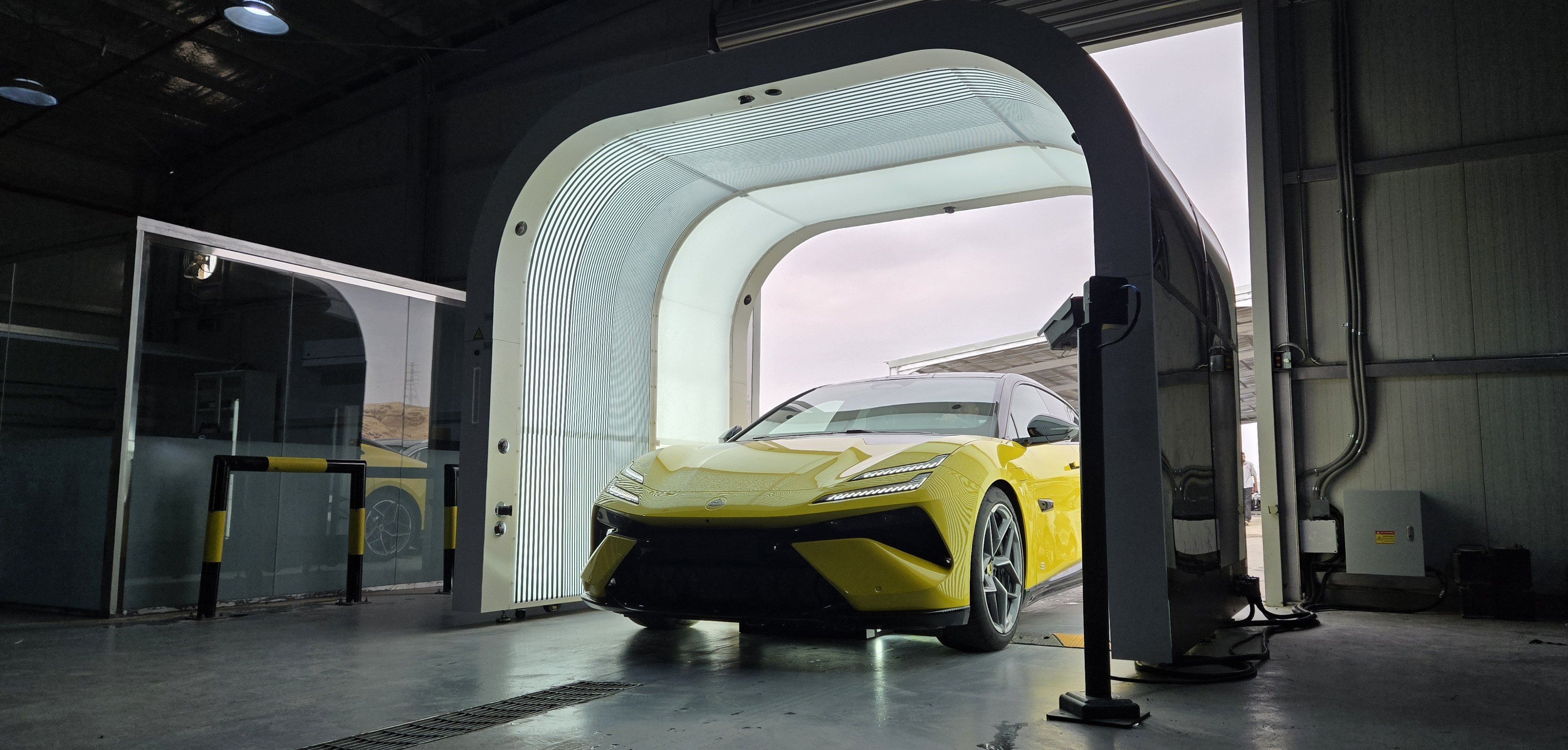
Our yard management system (YMS) tracks every vehicle's location and status in real time. For EVs, it also keeps each vehicle's charge level and inspection records from arrival, so stock maintenance and charging happen on schedule. AI vehicle inspection scans each vehicle in about 10 seconds, compared with 5 to 10 minutes manually, giving brands accurate, documented records of every vehicle's condition at every handover.
Electric vehicles are changing automotive logistics in Saudi Arabia. The journey stays the same, but the battery changes how every stage is handled, from charge limits at sea to stock maintenance in the yard. Brands bringing EVs into the Kingdom need a logistics partner ready for these differences.