Blogs
May 20, 2026
8
Mins Read
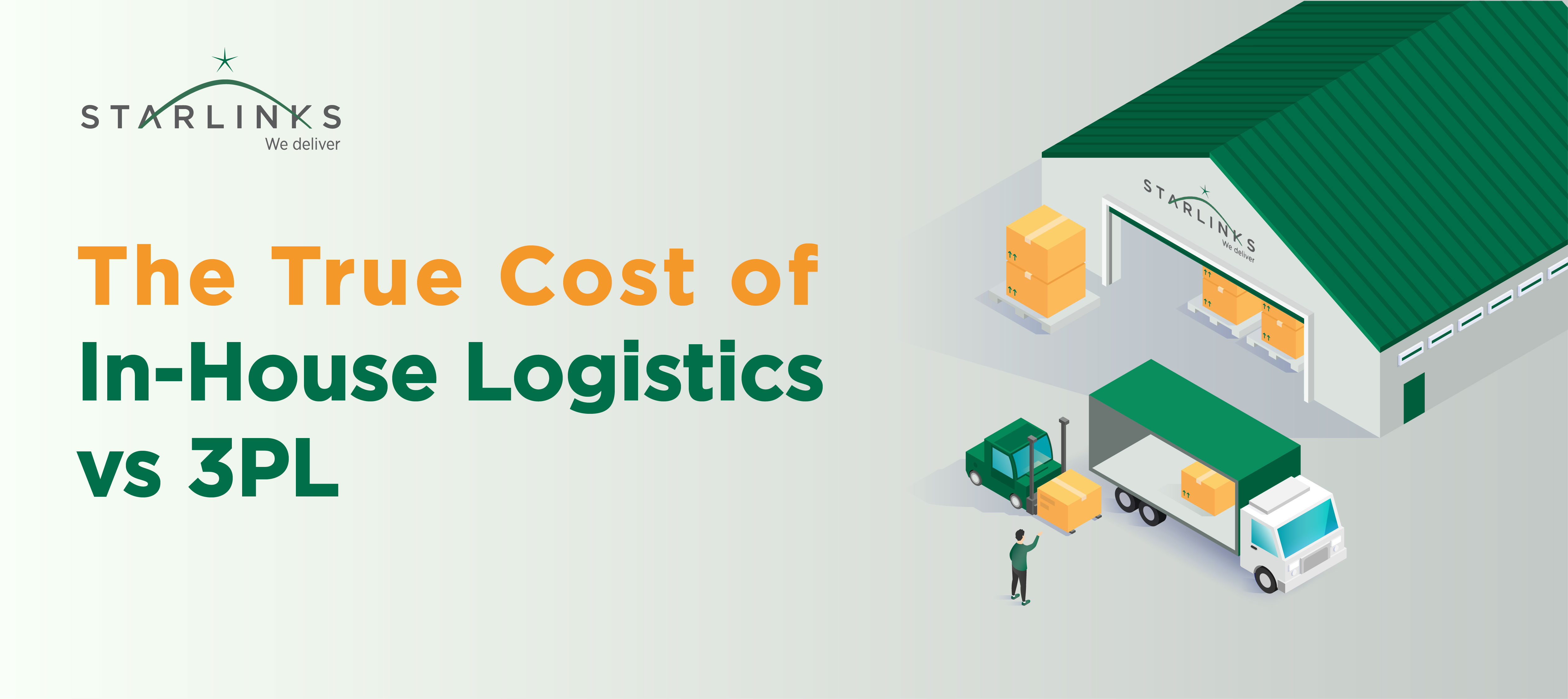
It's one of the most common conversations in growing FMCG and retail brands: "We can handle logistics ourselves. It will save us money." On paper, it sounds reasonable. Owning your warehouses, running your own fleet, and managing your own teams feels like control, and control feels like savings.
But here's what most operators discover too late: the true cost of in-house logistics isn't what shows up on the invoice. It's what shows up on the balance sheet, capital locked in fixed assets, fixed costs in a variable business, and opportunity costs that quietly compound month after month.
Smart FMCG and retail brands are making a different choice. They're shifting from fixed logistics costs to flexible, scalable 3PL partnerships; freeing capital to fuel growth instead of locking it into warehouse capacity that's either underused or overwhelmed depending on the season.
This article breaks down the real comparison between in-house logistics and 3PL, so you can make the right call for your business.
In-house logistics is exactly what it sounds like: building and operating your own logistics infrastructure end-to-end. That means owning or leasing your warehouses, buying or maintaining your own fleet, hiring and training your own teams, investing in your own technology stack, and carrying the full weight of compliance on your shoulders.
The surface-level appeal is obvious: "We control everything." No middlemen. No partner dependencies. Full visibility. And on the surface, it can feel cheaper than paying a third-party provider.
But here's what in-house logistics actually requires to run properly:
▪️Warehouse space: leased or owned, with the right zones for ambient, chilled, and frozen storage
▪️Equipment: forklifts, racking, refrigeration systems, dock equipment
▪️Fleet: trucks, maintenance, fuel, insurance, replacement cycles
▪️People: warehouse staff, drivers, supervisors, managers, IT support
▪️Technology: warehouse management systems, transportation management systems, tracking tools.
▪️Compliance: SFDA licensing, HACCP certifications, audits, safety standards.
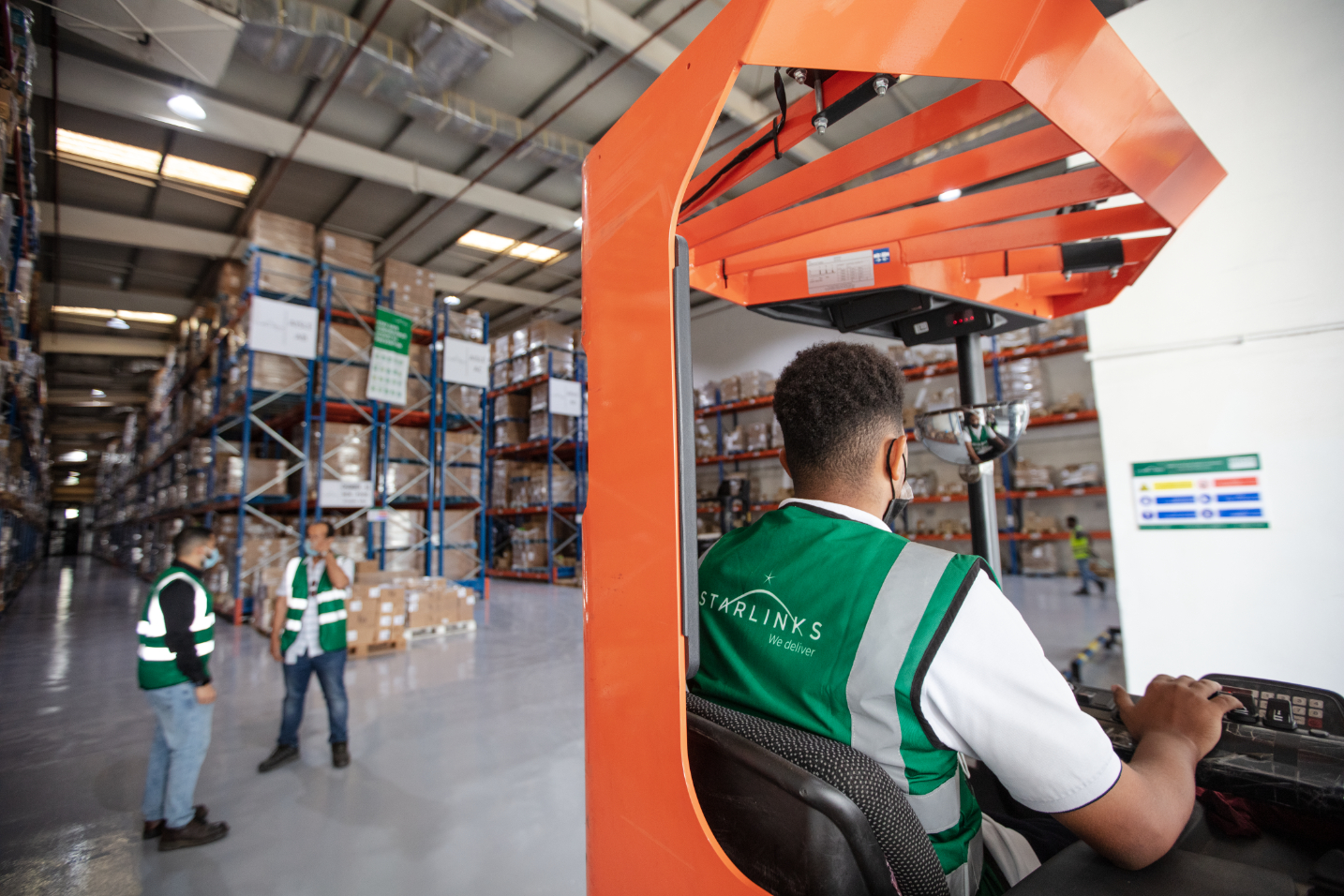
The trap is that most brands only budget for the visible costs, rent, salaries, fuel. The rest hits the balance sheet quietly. By the time you realize how much capital is locked up in logistics, you've already paid for it twice over.
3PL (Third-Party Logistics) is the model where a specialized logistics provider handles warehousing, transportation, distribution, and value-added services on your behalf. It sits within a broader logistics framework that also includes 2PL and 4PL models. (For a deeper breakdown of each model, read our guide: 2PL, 3PL or 4PL: Which Logistics Model Is Right for Your CPG/FMCG Business in Saudi Arabia?).
▪️Shared infrastructure: access to warehouses, fleet, and technology without owning any of it.
▪️Multi-temperature capabilities: ambient, chilled, and frozen storage under one operation (Learn more).
▪️Trained, certified teams: already compliant with SFDA, HACCP, and ISO standards.
▪️Real-time visibility platforms: see your inventory, orders, and deliveries live.
▪️Scalable capacity: flex up during peak seasons, flex down during slow ones.
The key reframe is this: a 3PL provider isn't just a vendor moving boxes. It's an extension of your operations, without the fixed-cost burden of building it yourself.
This is where most brands get the math wrong. Running logistics in-house carries five hidden burdens that most brands underestimate.
Warehouses, trucks, equipment, and technology demand significant upfront capital. That's capital that could be fueling product innovation, marketing, market expansion, or customer acquisition. Instead, it's sitting in racking systems and fleet depreciation.
FMCG and retail demand is rarely flat. Ramadan creates massive surges. Hajj brings volume spikes. Summer changes consumption patterns. Promotional cycles drive unpredictable peaks. But in-house logistics costs don't move with demand; your warehouse lease, your fleet payments, and your full-time teams all stay fixed whether you're moving high volumes or low ones. You pay for capacity you don't always use.
Every hour your leadership spends solving warehouse problems, fixing fleet issues, or chasing delivery exceptions is an hour not spent on growth. The most expensive cost of in-house logistics isn't on any invoice; it's the strategic focus you lose.
SFDA audits, HACCP certifications, safety protocols, pest control programs; these aren't one-time setup costs. They demand ongoing investment, continuous training, and active risk management. One compliance failure can shut down operations entirely.
Want to expand from Riyadh to Jeddah? Dammam? You're now looking at new warehouse leases, new fleet investment, new hiring, and new technology rollouts in every city. Growth becomes a capital-intensive project; slow, expensive, and risky.
The bottom line: in-house logistics doesn't just cost what's on the invoice. It costs what's locked up in your balance sheet, and what's not being invested in your growth.
The fundamental shift a 3PL partnership delivers is simple but powerful: fixed costs become variable costs.
Instead of paying for capacity, equipment, and people whether you need them or not, 3PL pricing flexes with your business:
▪️Pay for the pallet positions you actually use.
▪️Pay for the deliveries you actually make.
▪️Pay for the value-added services you actually need.
During peak seasons: Ramadan, Hajj, promotional cycles; you scale up capacity, fleet, and labor instantly. No new warehouses to lease. No trucks to buy. No teams to hire. Your 3PL partner absorbs the surge.
During slow seasons: costs scale down proportionally. You don't pay for idle warehouses, underutilized trucks, or excess headcount. Your logistics costs align with your business reality.
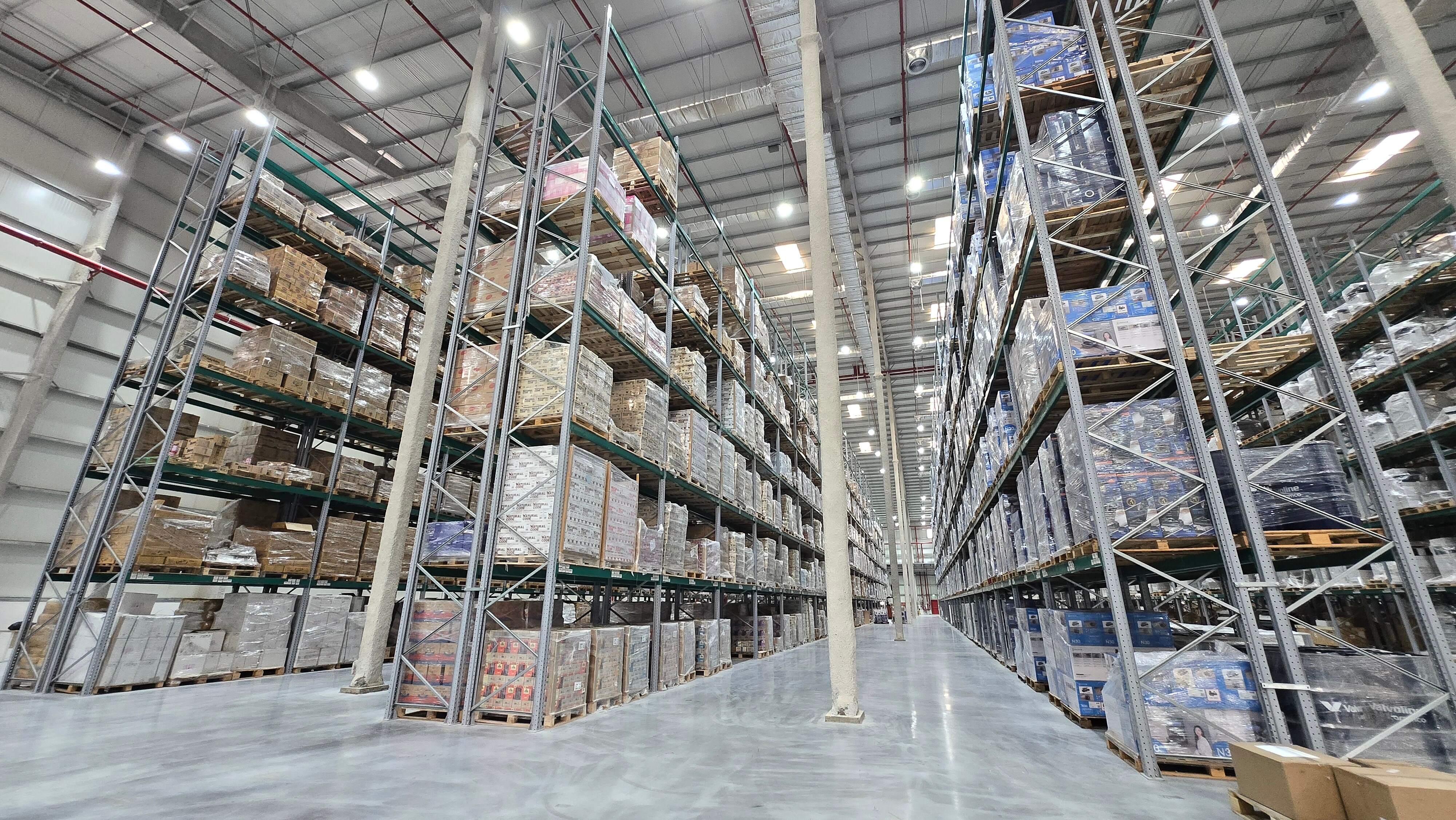
And there's a deeper financial advantage: the capital you would have spent on logistics infrastructure now stays in your business; fueling growth, product innovation, market expansion, or customer experience improvements.
The real value of 3PL isn't just cost savings. It's cost flexibility.
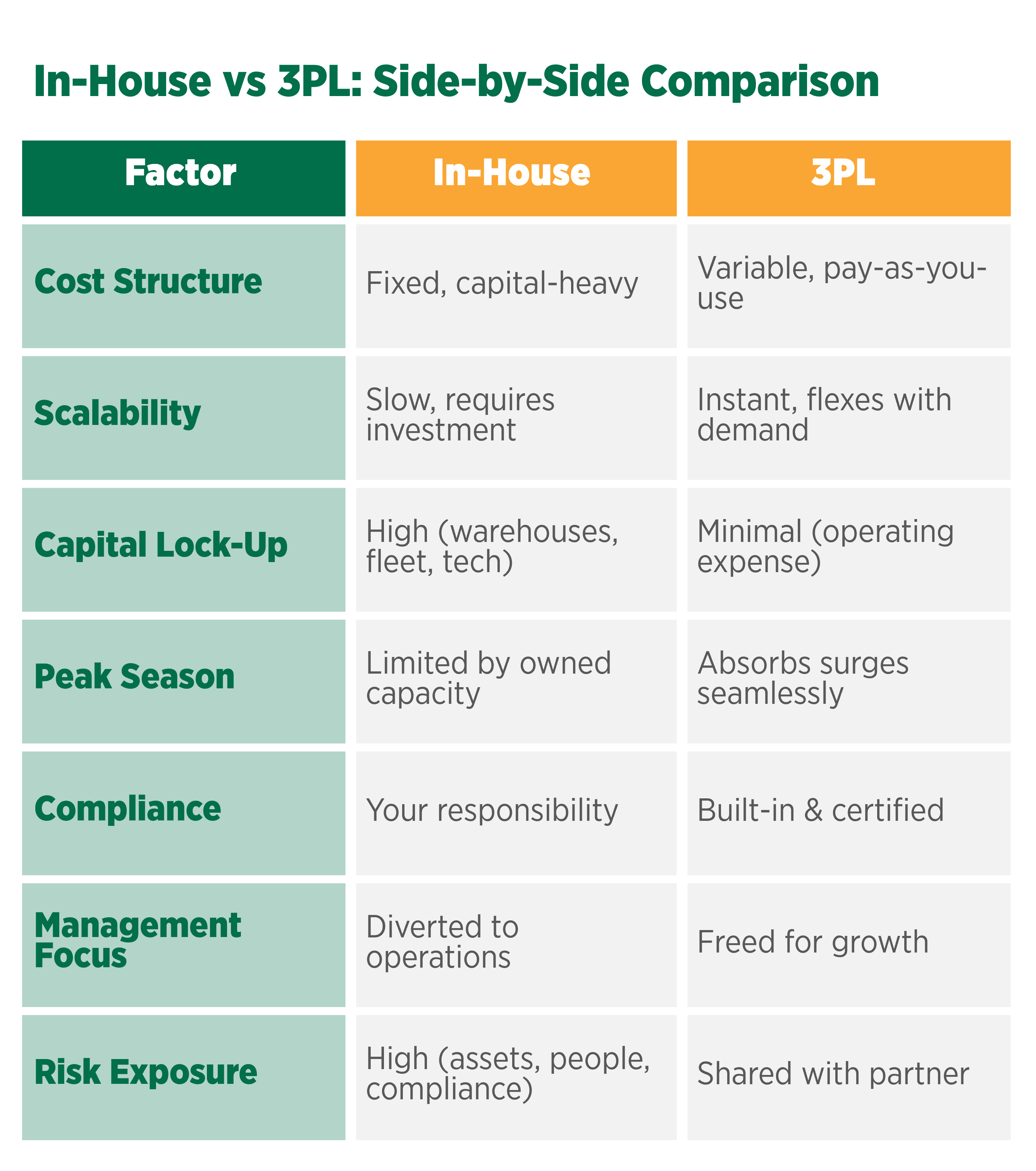
The takeaway is simple: in-house logistics is a capital decision. 3PL is a strategic one.
3PL isn't always the right answer for every business at every stage. But for FMCG and retail brands operating in Saudi Arabia today, the signals are usually clear.
The right time to seriously consider a 3PL partnership is when your business is:
▪️Scaling fast: adding new products, channels, or geographies.
▪️Facing seasonal demand swings: Ramadan, Hajj, summer, promotional cycles.
▪️Expanding into multiple cities: Riyadh, Jeddah, Dammam, and beyond.
▪️Locking capital in logistics infrastructure: capital that should fuel growth.
▪️Struggling with compliance complexity: SFDA, HACCP, multi-temperature requirements.
▪️Losing leadership time to logistics issues: instead of strategy and customers.
If two or more of these apply, the question isn't whether to consider 3PL; it's which 3PL partner is the right fit.
Starlinks is built exactly for this challenge; giving FMCG and retail brands the infrastructure, flexibility, and cost model that in-house logistics simply can't match.
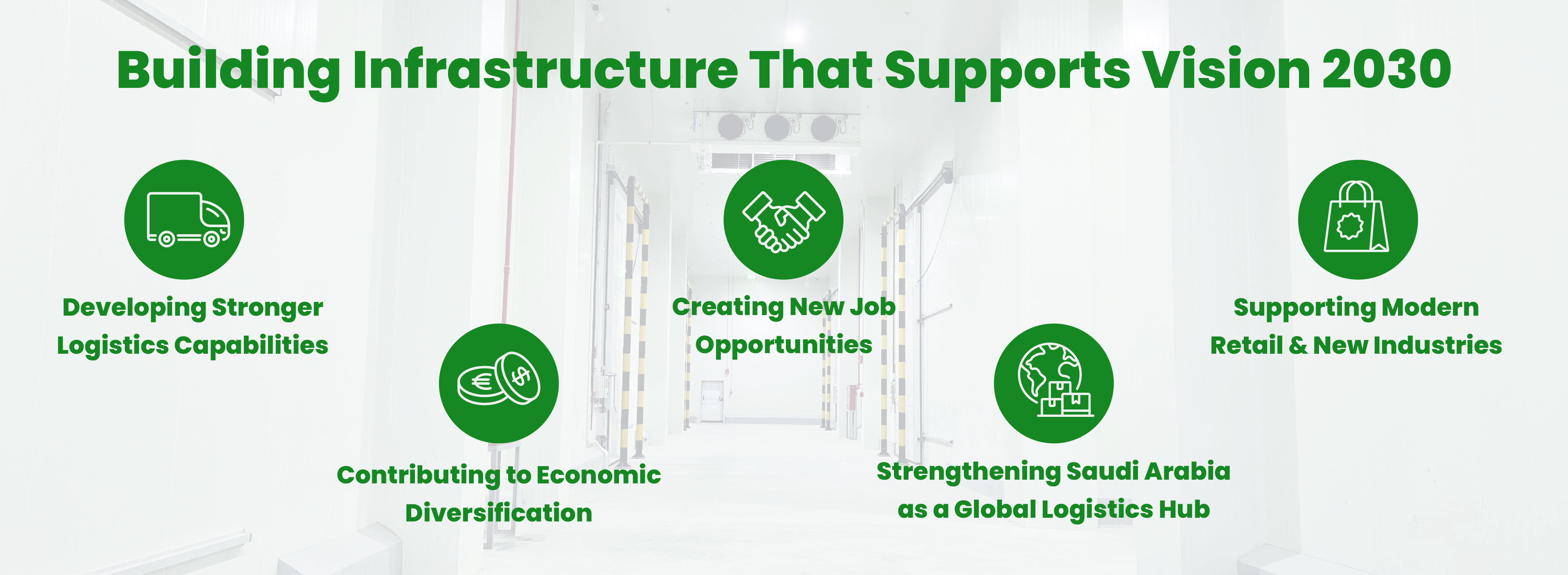
Nationwide infrastructure: a fully integrated logistics network spanning the Kingdom and the GCC, so your products reach every market without the burden of building owned facilities in each region.
End-to-end cold chain capabilities: anchored by our flagship facilities, Polaris and Thuraya, with purpose-built multi-temperature warehousing and a temperature-controlled fleet that protect product integrity from receipt to delivery, across ambient, chilled, and frozen requirements.
Built-in scalability: capacity that flexes with your business. Scale up during peak seasons without capital investment. Scale down during slow periods without idle assets.
Flexible cost models: pay for the capacity, deliveries, and services you actually use. Convert fixed logistics costs into variable ones, and free up capital to fuel growth instead of locking it into infrastructure.
That's the Starlinks difference; infrastructure that works like yours, without the cost structure that holds you back.
In-house logistics looks like control, but more often it's capital lock-up in disguise. 3PL isn't just an outsourcing decision; it's a financial strategy. For FMCG and retail brands scaling in Saudi Arabia, the right 3PL partner unlocks growth that owned infrastructure simply can't match.