Blogs
June 22, 2026
8
Mins Read

The rapid growth of e-commerce has rewritten the rules of logistics. What was once a back-end operation storing products and moving orders is now a strategic capability that shapes customer experience, operational efficiency, and the ability to scale.
For lifestyle and fashion brands, the stakes are higher still. Seasonal demand peaks, fast-moving inventory, and rising customer expectations demand a logistics model that is agile, visible, and built for growth.
This was the reality Brands For Less faced as its e-commerce operation expanded across the region. The company needed more than a traditional fulfilment provider, it needed a logistics model that could evolve with its ambitions. Through a strategic partnership with Starlinks, Brands For Less turned logistics into a technology-enabled growth engine built on automation, visibility, operational discipline, and a shared commitment to continuous improvement.
For Brands For Less, the shift started with a simple realization: e-commerce success is built on what happens after a customer clicks "Buy."
Behind every successful online order is a complex operation involving inventory accuracy, order processing, fulfillment, delivery, and customer communication. When these elements are not aligned, growth can quickly become difficult to sustain.
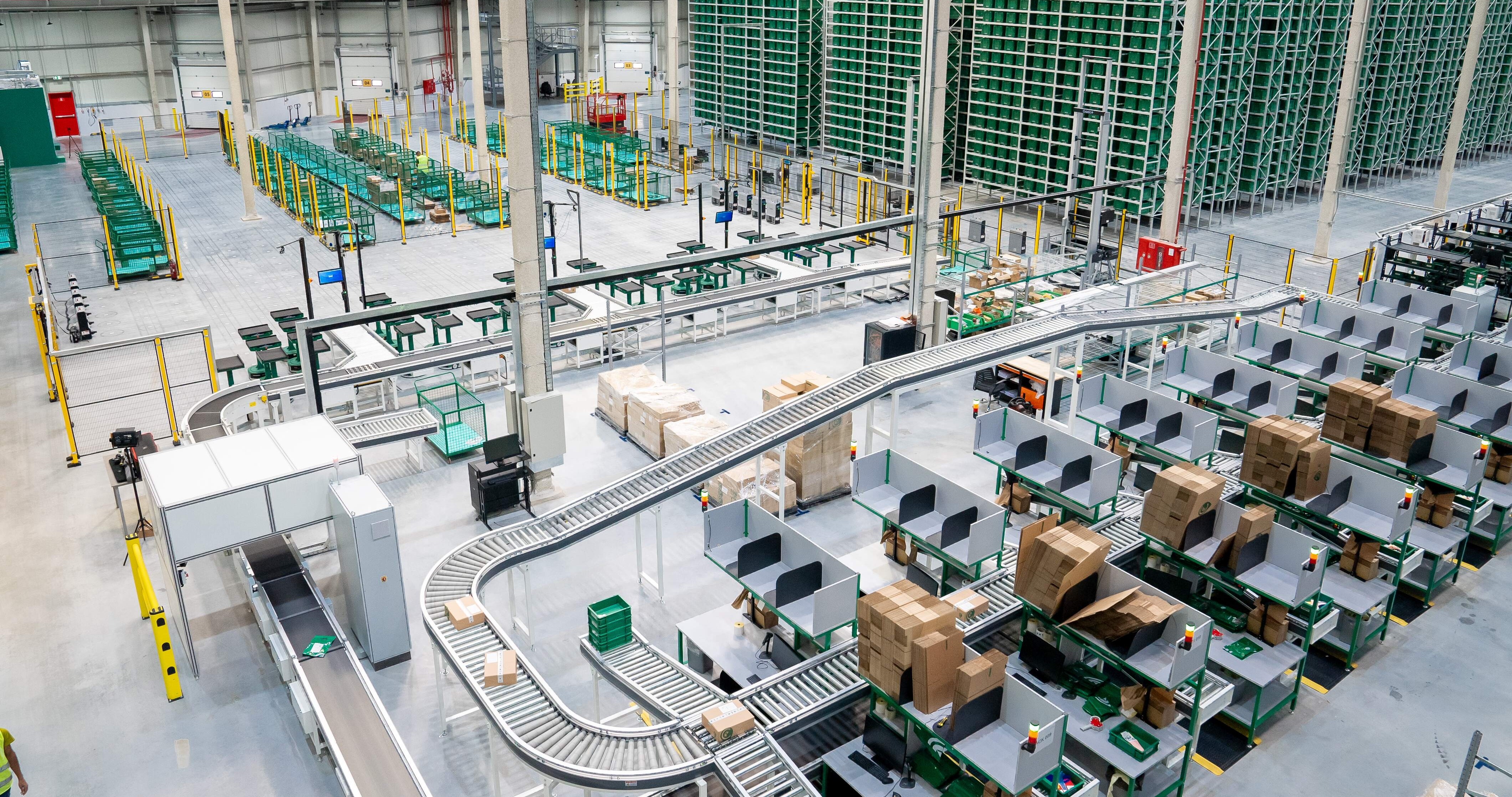
As the business continued to grow, Brands For Less recognized that logistics could no longer be treated as a supporting function. It needed to become a strategic capability that could support expansion, maintain service quality, and protect the customer experience.
The search was not simply for a company that could move products from one place to another. It was about finding a partner with the right combination of technology, processes, and people to support the next stage of growth.
Choosing the right logistics partner required a thorough evaluation process. The Brands For Less team assessed operational capabilities, technology infrastructure, scalability, and the ability to support future ambitions.
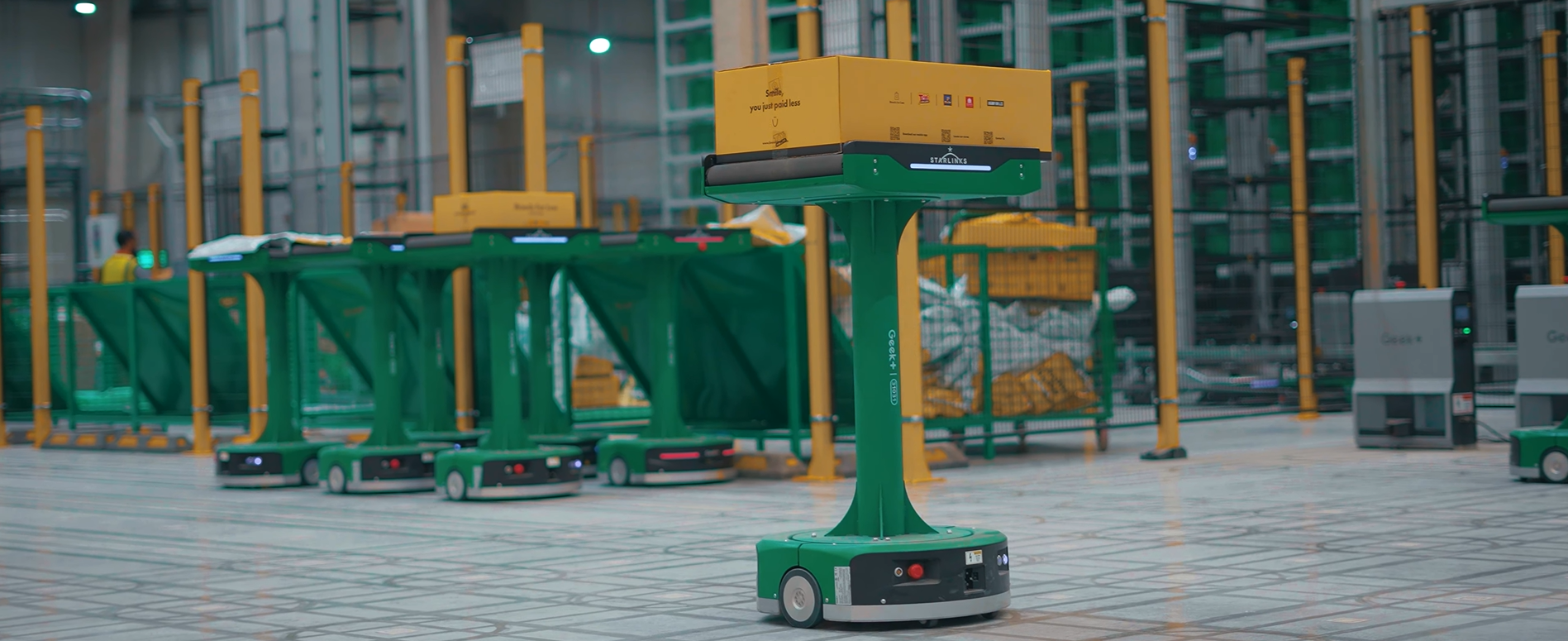
Starlinks stood out through a combination of advanced robotics, automated fulfillment capabilities, real-time visibility, and a team committed to continuous operational improvement. The experience became clear during the first visit to the facility.
But the transformation was not driven by technology alone. The true value came from combining automation with structured processes, data-driven decision-making, and teams that were focused on solving challenges before they impacted customers. This allowed Brands For Less to build a logistics operation designed to handle increasing order volumes, seasonal spikes, and future expansion without sacrificing performance or consistency.
A successful logistics operation depends on more than systems, warehouses, and service-level agreements. It depends on trust. From the beginning, the relationship between Brands For Less and Starlinks was built on transparency, collaboration, and a shared responsibility for success.
Forecasts were shared regularly, performance was reviewed continuously, and both teams worked together to identify opportunities for improvement. Shamim describes the relationship in a way that captures the importance of this mindset:
This approach proved especially valuable during moments of uncertainty. Whether preparing for major shopping events or responding to unexpected disruptions, both teams remained aligned around one goal: protecting the customer experience. The partnership was no longer a supplier-client relationship. It became an extension of the Brands For Less operation.
In e-commerce, every package represents more than a transaction. It represents a promise.
The customer does not see the warehouse operations, technology systems, or planning meetings behind every order. They only experience whether their purchase arrives accurately, on time, and with the service they expect. This is why Brands For Less views logistics through the lens of customer trust.
This philosophy became particularly important during challenging moments, including operational disruptions such as the Jeddah floods. During these situations, transparency, rapid communication, and coordinated action helped maintain confidence and recover operations quickly. The focus was never only on achieving strong performance metrics. It was about continuously improving the experience behind every order and ensuring that customers continued to trust the Brands For Less promise.
The true success of a logistics transformation is not measured by how efficiently it performs on a normal day. It is measured by how confidently it supports growth.
Through the combination of advanced fulfillment infrastructure, operational discipline, and a strategic partnership with Starlinks, Brands For Less was able to scale its e-commerce operations while maintaining consistency and reliability. The results speak for themselves.
That statement represents the ultimate achievement of the transformation. Growth did not create operational chaos. It was supported by a logistics foundation built to adapt, scale, and continuously improve. From Ramadan and Eid demand peaks to large shopping events such as White Friday and Singles' Day, the operation was designed to respond with confidence.
The journey between Brands For Less and Starlinks highlights an important lesson for every growing e-commerce brand: logistics should not be viewed as a function that supports growth after it happens. When supported by the right technology, the right processes, and the right partner, logistics becomes the engine that makes sustainable growth possible.