Blogs
August 20, 2026
8
Mins Read
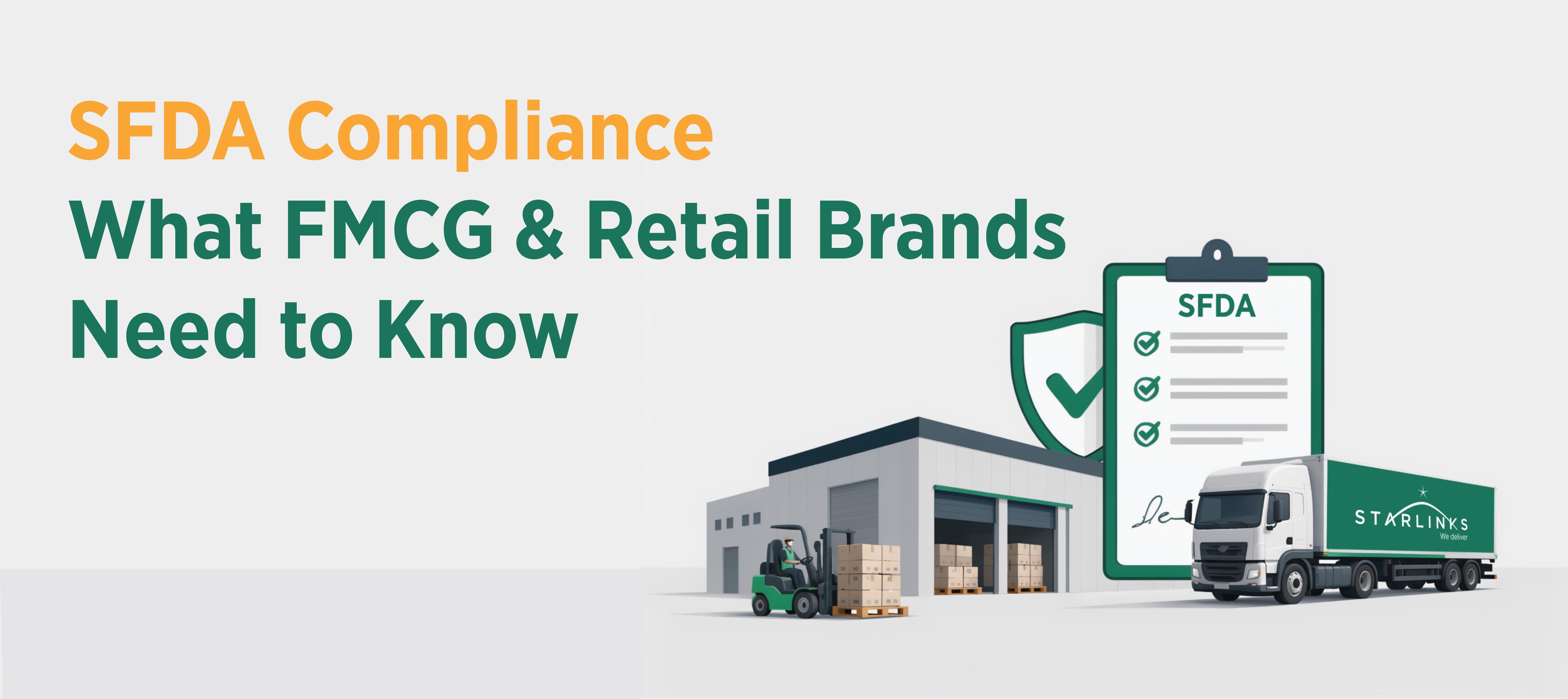
For FMCG and retail brands in Saudi Arabia, compliance with the Saudi Food and Drug Authority (SFDA) is often linked first to product registration and labeling. While the SFDA covers food, drugs, and other regulated products, these are the most visible starting points for many brands.
But compliance does not stop there. Once products move into warehousing, transportation, and distribution, operational controls also matter. This applies to both imported and locally produced goods.
In practice, brands need to look at SFDA compliance from both a regulatory and logistics perspective. Registration and labeling are essential, but so are storage conditions, transportation controls, and traceability across the supply chain.
For FMCG, retail, and F&B businesses in Saudi Arabia, SFDA compliance covers a set of regulatory and operational requirements that affect how products are approved, stored, moved, and monitored across the supply chain. At a practical level, the main areas include:
Product registration is one of the first compliance steps before a product can be placed on the Saudi market. It means the product must meet the applicable Saudi regulations, standards, and technical requirements before it can be approved and registered. This applies to both locally produced and imported food products, although imported food may also require additional steps such as registering the importing establishment and completing pre-registration before shipment.
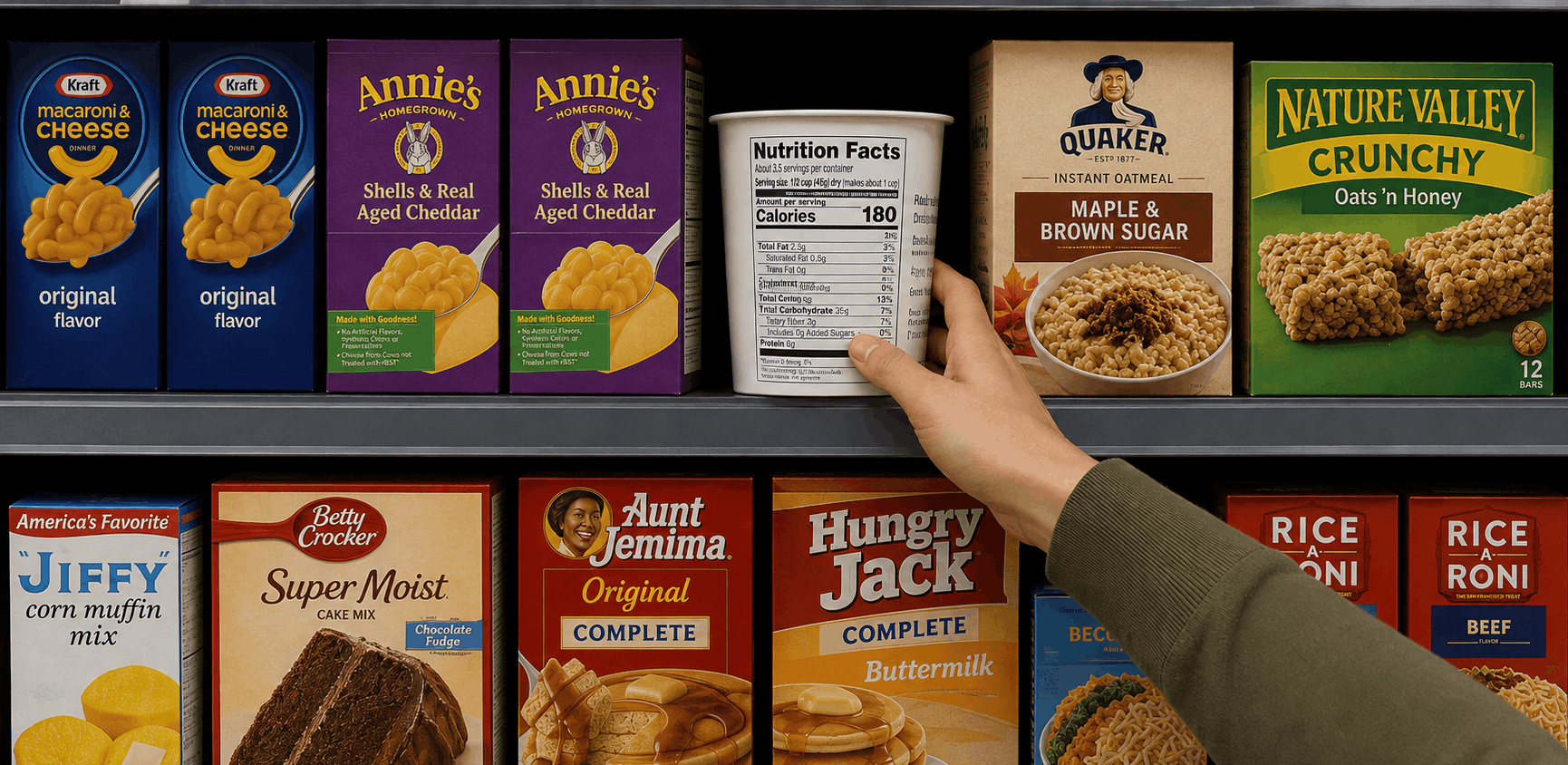
Covers the product information that must appear correctly before products move into distribution and retail channels. For prepackaged food, this includes Arabic labeling, and if another language is used, the information must appear alongside Arabic and match it exactly. Depending on the product, this may also connect to additional requirements such as nutritional labeling and permitted claims.
Facility licensing applies to the different sites involved in the food supply chain, such as factories that manufacture products, stores that handle or sell them, distribution centers that receive and dispatch stock, and food storage warehouses that hold inventory before it moves into the market. These licensing and registration steps are managed through SFDA’s Ghad platform, the Authority’s unified digital system for submitting, tracking, and renewing licensing and registration requests. In practice, this helps ensure each site is approved for the activity it performs and operates under the required compliance conditions.
Hygiene and product handling relate to the day-to-day conditions under which products are stored, handled, prepared, and moved within a facility. This includes cleanliness, protection from contamination, and handling practices that help preserve product safety and integrity throughout operations
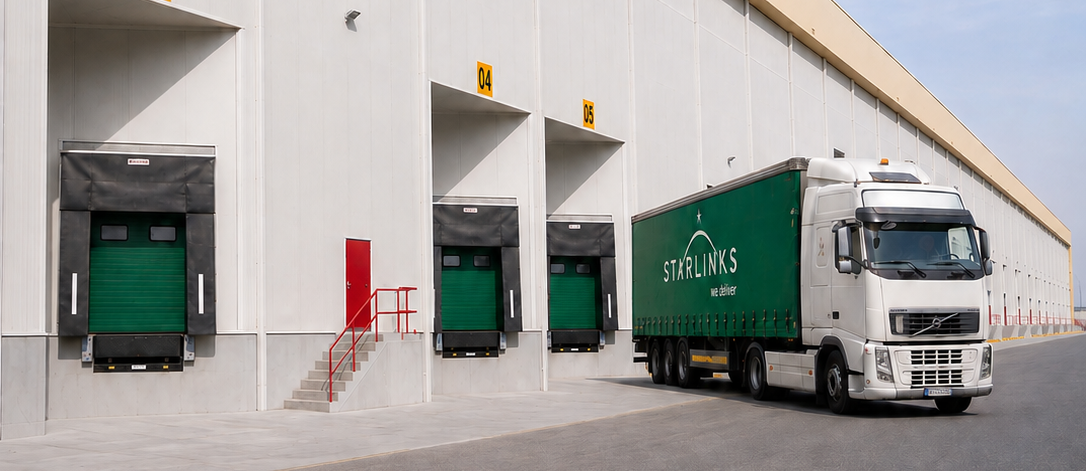
Storage and transport conditions focus on keeping products under suitable environmental and operating conditions during warehousing and distribution. Depending on the product, this may include temperature control, clean and suitable transport vehicles, separation between products where needed, and protection from contamination or deterioration during movement.
Traceability and recordkeeping relate to the ability to identify products, track their movement, and maintain clear records across the supply chain. This helps businesses monitor where products came from, where they moved, and how they were handled, while also supporting faster response if a compliance issue needs to be investigated.
Taken together, these requirements show that SFDA compliance is not managed through a single step. It spans the product, the facility, and the operating conditions that support storage, handling, transport, and distribution.
Once products move beyond registration and labeling, compliance continues through warehousing and transportation. This is where SFDA requirements become directly relevant to logistics operations, because the condition of the product must be maintained through storage, handling, and movement across the supply chain.
SFDA’s food hygiene requirements make warehousing compliance more than a facility issue. They also cover how products are stored, protected, and managed inside the warehouse environment.
▪️Clean and well-maintained premises.
▪️Layouts that support hygienic operations.
▪️Protection against contamination.
▪️Temperature-controlled storage and monitoring.
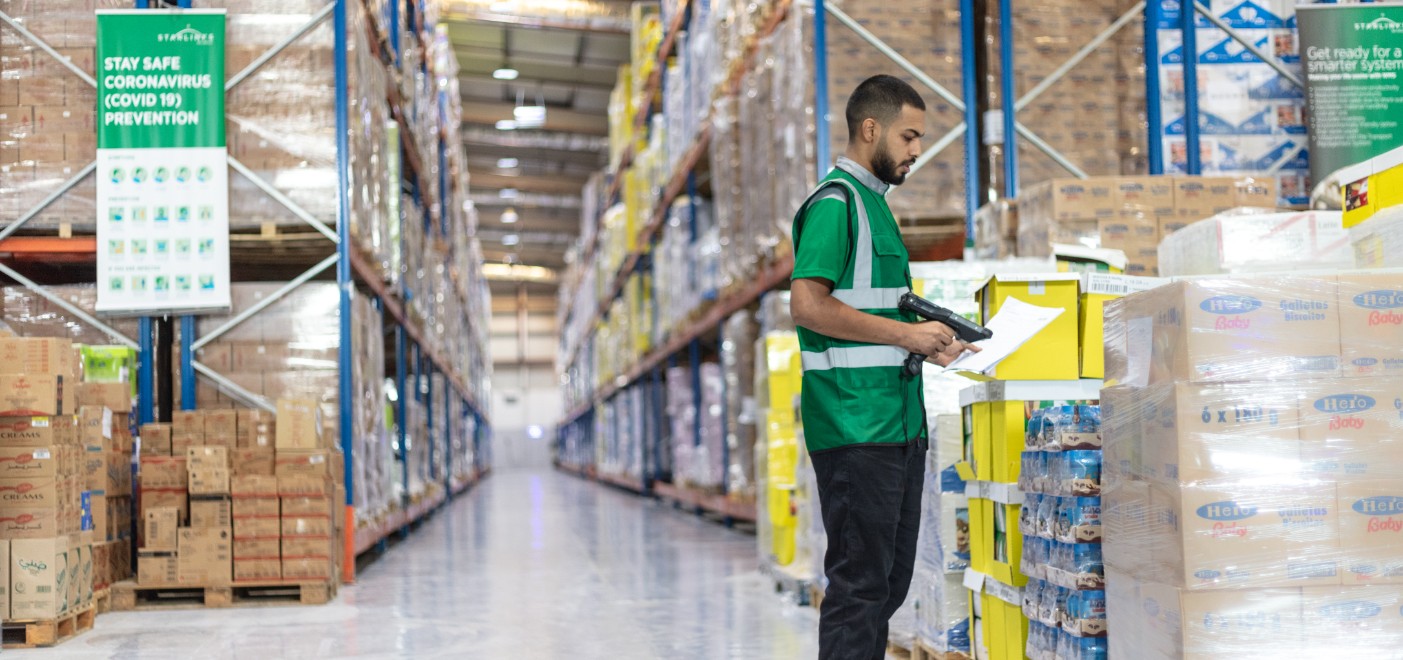
For FMCG and retail brands, warehousing compliance is not just about having space. It is about having the right storage environment, the right operational discipline, and the right controls around hygiene, segregation, stock handling, and product protection. This becomes even more important when brands manage high volumes, multiple SKUs, or products with ambient, chilled, or frozen requirements.
Transportation compliance is treated with the same seriousness as warehousing. SFDA’s transport and hygiene requirements make it clear that food products must move under conditions that protect safety, prevent contamination, and maintain product integrity throughout distribution.
▪️Clean and well-maintained vehicles and containers.
▪️Protection against contamination and cross-contact.
▪️Separation between products where needed.
▪️Temperature control and monitoring where required.
▪️Suitable vehicle conditions for chilled, frozen, and non-refrigerated products.
SFDA’s transport requirements add more operational detail to this. Vehicles used for chilled or frozen foods must have suitable cooling capacity and maintain product-appropriate temperatures, while transport units more broadly must be protected against pests, dust, and other pollutants. Even vehicles used for dry or packaged foods need to operate under suitable conditions that help protect product quality during movement.
Traceability is another core compliance requirement. SFDA’s food hygiene requirements expect food business operators to identify who supplied them and to whom products have been supplied, and to maintain systems and procedures that make this information available when requested by the authority. The same framework also places responsibility for food-law compliance on the operator controlling the business.
In logistics terms, that means brands need clear movement records across warehousing and transportation, along with visibility over product identity, storage conditions, and handoffs across the chain. When traceability weakens, compliance risk increases quickly, especially in large FMCG, retail, and F&B distribution networks.
For FMCG, retail, and F&B brands, compliance risk usually appears in the day-to-day points where products move, change hands, or are managed under pressure. These are often not major regulatory failures at the start, but smaller operational gaps that become more serious once products are in storage, transport, and distribution.
▪️Incorrect or incomplete labeling reaching the distribution stage
▪️Storage conditions that do not match product requirements
▪️Weak temperature control in warehousing or transport
▪️Poor traceability and recordkeeping
▪️Gaps between warehouse handling and transport execution
These are among the most common risk areas because compliance depends on consistent execution, not just initial approval. A product may be properly registered and labeled at the start, but weak storage conditions, poor transport control, or gaps in traceability can still create problems once it moves through the supply chain. As volumes grow and distribution becomes more complex, these operational gaps become harder to control and more likely to affect both compliance and service performance.
For many brands, compliance becomes harder when logistics is fragmented across multiple providers, disconnected systems, or inconsistent operating standards. A capable 3PL helps reduce that risk by bringing warehousing and transportation under one operating model with clearer controls, better visibility, and more consistent execution across the supply chain.
▪️Licensed and compliance-ready storage operations
▪️Transport conditions aligned to product requirements
▪️Stronger traceability and movement records
▪️Clearer accountability across warehouse and transport handoffs
This does not replace the brand’s regulatory responsibility. But it does make compliance easier to maintain in daily operations. For FMCG and retail businesses serving Saudi Arabia at scale, the right 3PL reduces risk by making execution more consistent with the compliance requirements already set by SFDA.
Starlinks supports FMCG, retail, and F&B brands with a logistics network built for regulated distribution in Saudi Arabia. Across 2PL, 3PL, and 4PL models, the focus is on maintaining product integrity, operational control, and compliance-ready execution at scale.
Starlinks operates a national warehousing network designed for FMCG, F&B and retail distribution, with ambient and multi-temperature capabilities that support food-grade storage and better inventory positioning across the Kingdom.
▪️Polaris – Riyadh multi-temperature hub
44,000 pallet positions | 44 loading bays
▪️Thuraya – Riyadh ambient logistics hub
51,000 pallet positions | 34 loading bays
▪️Atlas – Jeddah ambient hub
25,000 pallet positions | 30 loading bays
Together with facilities across Riyadh, Jeddah, Dammam, Madinah, Qassim, and Khamis Mushait, this network supports faster and more controlled distribution across Saudi Arabia.
That warehousing footprint is connected to an integrated transportation network built for FMCG and retail movement across Saudi Arabia. It supports nationwide distribution through coordinated warehouse-to-delivery execution, including hub transfers, store delivery routes, and cross-docking where faster product flow is needed, helping products move more efficiently across different regions and market channels.
▪️Dry, ambient, chilled, and frozen transport.
▪️Hybrid multi-temperature options.
▪️FTL, LTL, and dedicated vehicles.
▪️GPS tracking and route optimization.
Managed under the same 3PL model, this helps maintain better control from warehouse to delivery.
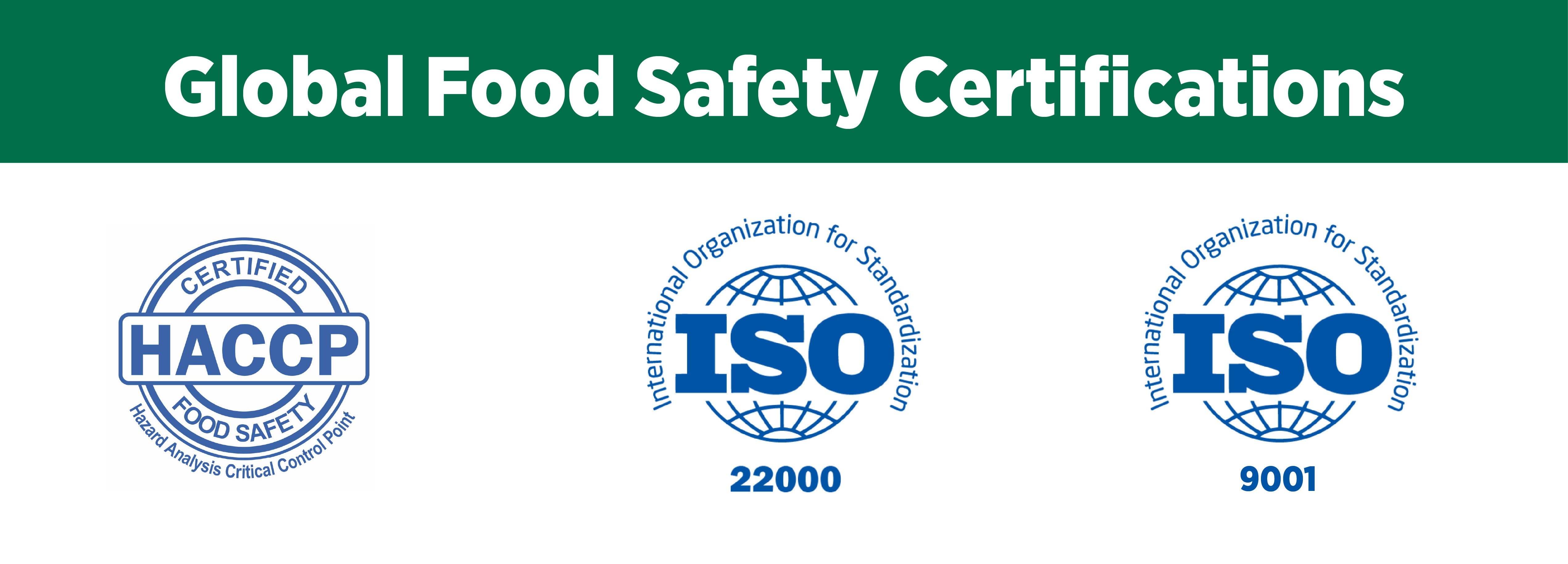
Starlinks operates food-grade environments with SFDA-compliant operations, supported by certifications and standards that help brands manage regulated distribution more consistently. This gives FMCG, retail, and F&B businesses a stronger operational foundation for handling products in line with required quality, safety, and compliance conditions.
▪️SFDA-compliant operations
▪️Baladiya certification
▪️ISO 9001
▪️ISO 22000
▪️HACCP-based processes
Starlinks is built to support high volumes, seasonal peaks, and growth without compromising operational discipline.
SFDA compliance in Saudi Arabia starts with registration, labeling, and regulatory readiness, but it also extends into warehousing, transportation, and day-to-day distribution. For FMCG, retail, and F&B brands, maintaining compliance depends on consistent execution across the supply chain.
That is why compliance and logistics cannot be treated separately. With the right operational discipline and the right 3PL support, brands can reduce risk, maintain product integrity, and scale more confidently across Saudi Arabia.