Blogs
February 17, 2026
7
Mins Read
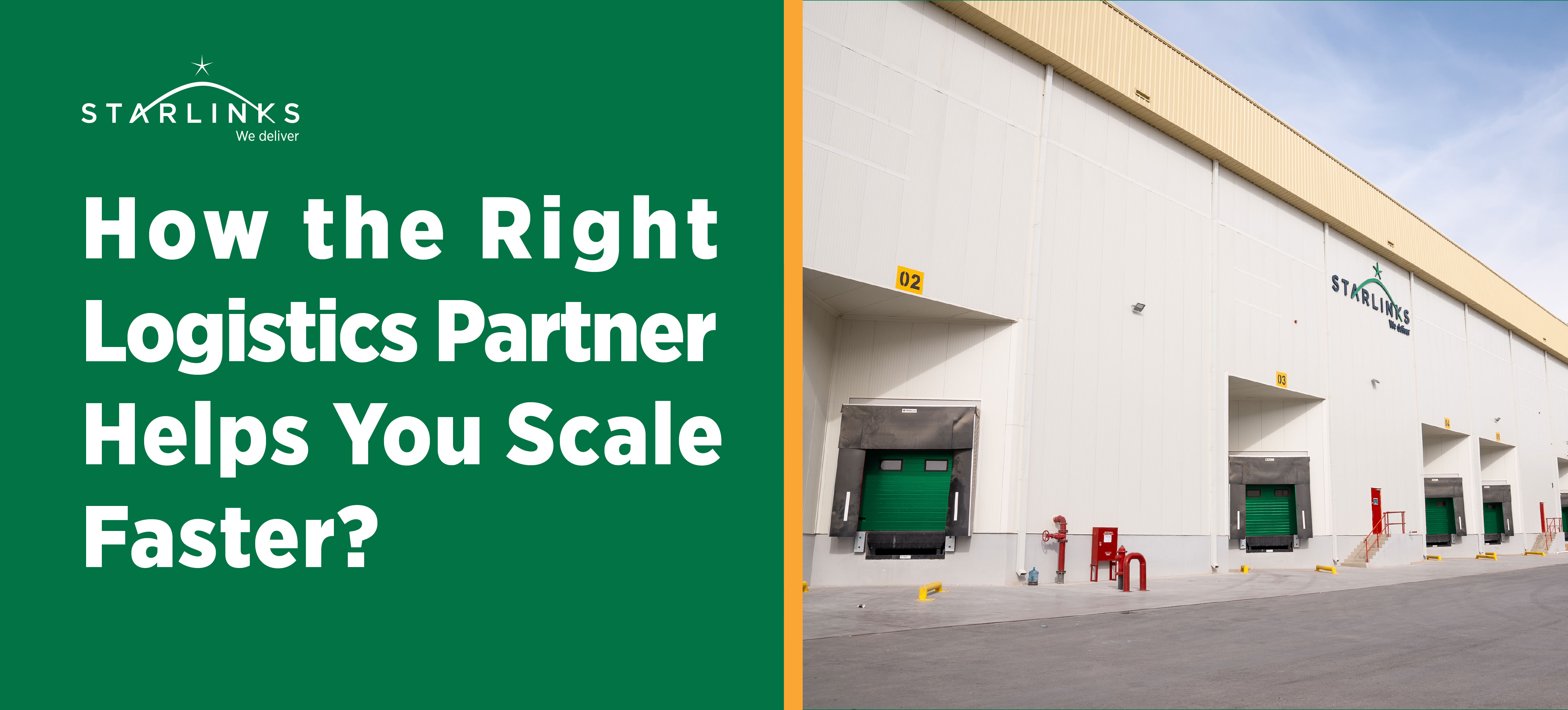
Your business has been steady for years, but steady isn't growth. Instead of chasing new retailers and expanding to new cities, you're stuck coordinating warehouses, tracking shipments, and solving delivery problems.
This is the hidden cost of managing logistics in-house for CPG/FMCG brands in Saudi Arabia. Every hour spent coordinating warehouses, tracking shipments, and solving delivery issues is an hour not spent on sales, marketing, or market expansion. The result? Your competitors grow while you stay stuck.
The good news: it doesn't have to be this way. This guide explains why outsourcing logistics to the right partner unlocks growth, and how to identify that partner for your CPG/FMCG business.
Running logistics in-house for CPG/FMCG products is complex. You're managing multi-temperature storage, ambient, chilled, and frozen across hundreds or thousands of SKUs. Demand fluctuates with seasons, promotions, and Ramadan peaks. One missed delivery damages a retailer relationship. One temperature breach spoils an entire shipment.
This complexity drains resources. Your team spends days coordinating transportation, managing warehouse staff, and troubleshooting problems. Your capital sits tied up in trucks, forklifts, and warehouse leases. Your management attention “the scarcest resource of all” gets consumed by operations instead of strategy.
The true cost isn't just overhead. It's a missed opportunity. While you're solving yesterday's logistics problems, your competitors are signing new retail partnerships, launching new products, and expanding into new cities.
When CPG/FMCG brands outsource logistics to the right partner, the shift is immediate. Focus returns to core business. Your team stops managing warehouses and starts managing growth, product development, sales expansion, marketing campaigns, and customer relationships. The energy you wasted on operations now drives revenue.
Scalability becomes instant. Need to handle a 40% volume spike during Ramadan? A capable 3PL partner absorbs it without you investing in new infrastructure. Want to expand from Riyadh to Jeddah? Your logistics partner already has facilities there.
Costs become predictable. Fixed overhead, warehouses, trucks, staff, transforms into variable costs that flex with your business. You pay for what you use, not for capacity that sits idle.
Errors decrease dramatically. Professional logistics providers run systematic processes designed to eliminate human error. Advanced warehouse management systems (WMS) track every item. Transportation management systems (TMS) optimize every route. The results: higher accuracy, fewer stockouts, and happier retail partners.
For CPG/FMCG brands in Saudi Arabia, where the market is growing fast and competition is intensifying, these advantages translate directly into market share.
Outsourcing is the right decision. But choosing the wrong partner creates new problems, missed deliveries, damaged goods, and zero visibility into your own inventory.
Different logistics models exist; 2PL, 3PL, and 4PL, each suited to different business needs. We've explained these in detail in our previous guide: [2PL, 3PL or 4PL: Which Logistics Model Is Right for Your CPG/FMCG Business in Saudi Arabia?]
Once you understand the model that fits your business, here's how to identify the right partner:
Start with your products. Do you need ambient storage only, or do you require chilled and frozen capabilities? CPG/FMCG brands often manage a mix of shelf-stable goods alongside temperature-sensitive products, which demand multi-temp infrastructure.
Consider your volume and demand patterns. How much do volumes spike during Ramadan, summer months, or promotional periods? A partner must handle your peaks, not just your average.
Think about geographic coverage. Are you serving a single city, multiple regions across Saudi Arabia, or expanding into the GCC? Your logistics partner's footprint should match your ambitions, not limit them.
Warehousing capabilities matter. Look for multi-temperature facilities, food-grade storage, and SFDA compliance. For CPG/FMCG, these aren't optional; they're essential.
Transportation fleet counts. Does the partner operate dedicated, temperature-controlled vehicles? Can they handle last-mile delivery to retail stores, restaurants, and distribution points across the Kingdom?
Technology is non-negotiable. Modern logistics runs on systems. Warehouse management systems (WMS) ensure inventory accuracy. Transportation management systems (TMS) optimize routes and track deliveries. Real-time visibility portals let you see your inventory and shipments at any moment. Without these, you're operating blind.
Your logistics partner should grow with you. Ask critical questions: Can they handle sudden demand spikes? Are they willing to expand to new locations as your business grows? Do they view this as a transaction or a long-term partnership?
The best partners invest in your success because your growth drives theirs.
In modern supply chains, data is power. Your partner should provide real-time monitoring and tracking, not just for shipments, but for inventory levels, order status, and delivery performance.
Look for robust reporting and analytics. Can they show you demand patterns, identify inefficiencies, and help you make better decisions? Communication and transparency matter equally. When problems arise, you should know immediately, not days later.
Integration capabilities also count. Can their systems connect with yours? Seamless data flow between your operations, and your logistics partner eliminates manual work and reduces errors.
The logistics world shifts constantly. Supply chain disruptions, regulatory changes, and unexpected demand swings happen. Your partner should be agile and ready to scale operations up or down, adjust strategies, and solve problems quickly.
This flexibility is crucial during unexpected events. A rigid partner becomes a liability when conditions change.
Cost matters, but it shouldn't be the only factor. A cheaper option might compromise service quality, reliability, or technology capabilities. Missed deliveries and stockouts cost far more than any savings on logistics fees.
Look beyond the price tag. Consider indirect costs, service disruptions, damaged goods, inventory inaccuracies, and the management time required to fix problems. A comprehensive service package at a fair price often delivers far better long-term value than the lowest bidder.
Starlinks delivers comprehensive CPG/FMCG logistics across Saudi Arabia and the GCC, cold chain warehousing, temperature-controlled transportation, and scalable fulfillment for food and consumer brands.

Behind these numbers: storage capacity that scales with you, a nationwide fleet that keeps products moving, and operational precision that protects your business.
Logistics is no longer just about moving goods. It's about intelligence powered by the right systems.
Data Collection: Our Warehouse Management System (WMS) and Transportation Management System (TMS) track every item, movement, and activity in real time. Nothing is invisible.
Data Analysis: Insights into inventory flow, demand patterns, and operational inefficiencies help you understand your supply chain deeply.
Predictive Analytics: Anticipate demand before it happens. Optimize stock levels. Avoid stockouts and overstock situations that drain cash, powered by data from integrated systems working together.
Real-Time Monitoring: Full visibility across warehousing and transportation through Starlinks LAUNCHPAD, our customer experience portal. Inventory levels, order status, delivery tracking, and performance dashboards, all in one place whenever you need it.
Decision Support: Actionable insights help you improve operations, reduce costs, and make smarter business decisions.
System Integration: Our platforms connect with your existing systems, ERP, order management, retail portals creating seamless data flow, and eliminating manual handoffs. One connected supply chain, zero blind spots.
This supply chain intelligence transforms logistics from a cost center into a competitive advantage.
Starlinks operates a nationwide network of strategically located facilities across Saudi Arabia and the GCC, Riyadh, Jeddah, Dammam, Qassim, Madinah, Khamis Mushait, and Dubai. Our facilities are designed to handle the unique demands of CPG/FMCG logistics: food-grade environments with SFDA compliance, high-throughput operations built for speed and accuracy, and flexible storage configurations ranging from ambient to full multi-temperature capabilities including chilled and frozen zones. With over 300,000 pallet positions across the network, capacity is never a constraint, whether you're managing seasonal peaks, promotional surges, or rapid expansion.
In Riyadh, two flagship facilities represent the next generation of CPG/FMCG logistics. Polaris is our dedicated cold chain warehouse, purpose-built for temperature-sensitive products with advanced multi-temperature zones that protect product integrity from receipt to dispatch. Thuraya is our newest logistics hub, engineered for high-volume operations, rapid fulfillment, and nationwide distribution. Together, they deliver the infrastructure CPG/FMCG brands need to grow with confidence.
Starlinks is built to handle growth immediately. When your volumes increase, capacity is ready. When you need to expand to new cities or new markets, the infrastructure exists.
We've proven this with restaurant chains managing nationwide distribution, food manufacturers scaling production, retailers expanding store networks, and international brands entering the Saudi market.
Your growth is never limited by logistics. That's the Starlinks promise.
Outsourcing logistics lets CPG/FMCG brands focus on what matters; growth, not operations. But the right partner makes all the difference. The wrong choice creates new headaches. The right choice unlocks potential.
Starlinks is the logistics partner built for CPG/FMCG scale in Saudi Arabia. National infrastructure, multi-temp capabilities, advanced technology, and a proven track record with leading brands.