Blogs
February 2, 2026
6
Mins Read
Imagine that you've just secured a major retail listing for your products across 200 stores in Saudi Arabia. Your products are ready, but your current logistics setup can barely handle 50 stores, and the retailer demands 98% of on time delivery. Sounds familiar?
For CPG and FMCG businesses in Saudi Arabia, logistics challenges like these can make or break market success. The Kingdom's vast geography and evolving retail landscape demand solutions that are agile, scalable, and efficient.
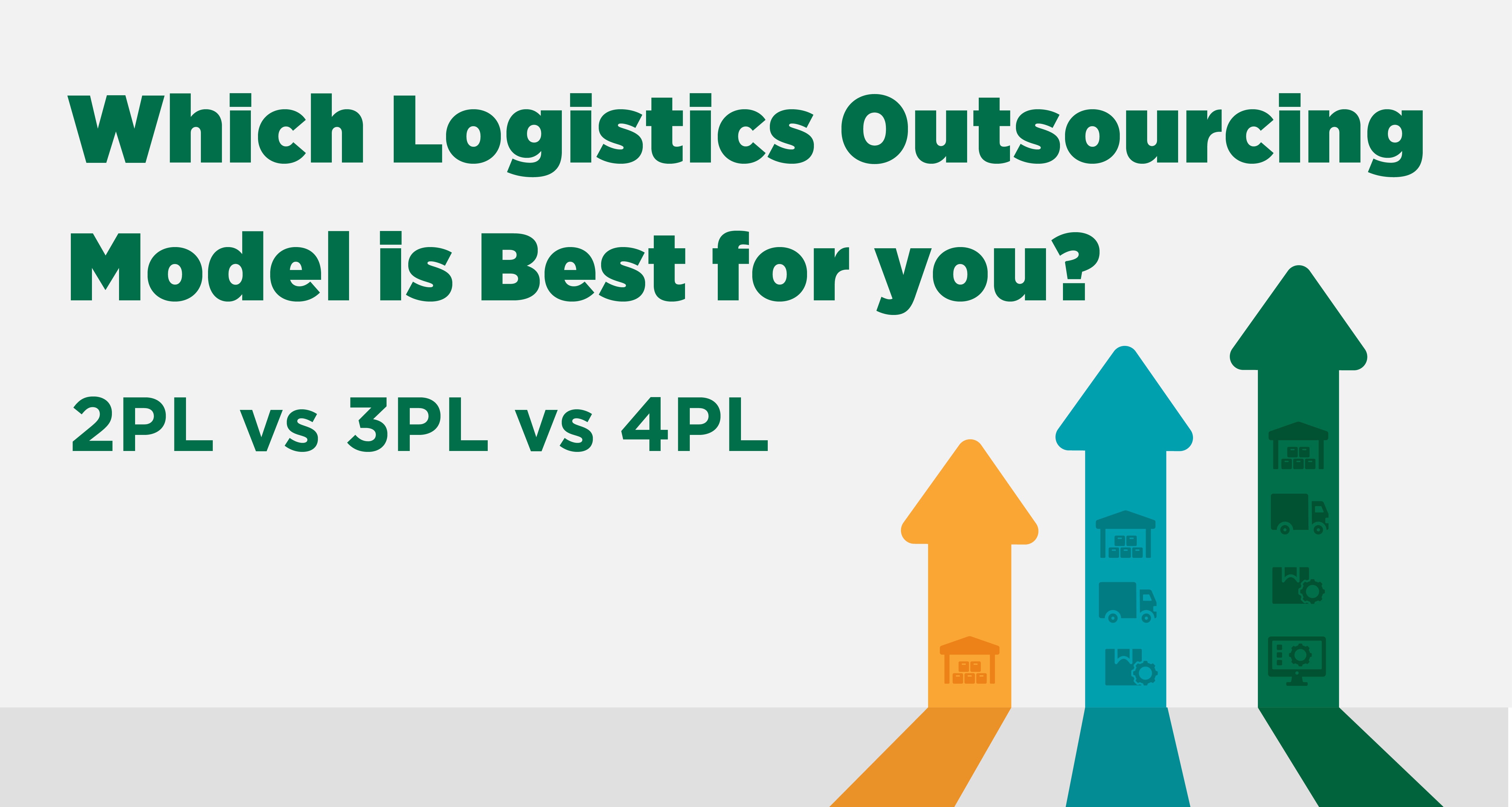
Today, businesses can choose from three main outsourcing models: Second Party Logistics (2PL), Third Party Logistics (3PL), and Fourth Party Logistics (4PL). While 3PL remains the most common choice, the ideal model depends on your business size, product requirements, and strategic priorities.
This guide will help you understand each model and determine which approach fits your CPG/FMCG business best.
CPG and FMCG products present unique logistics challenges, limited shelf lives, temperature requirements, and fluctuating demand patterns. In Saudi Arabia, these challenges are amplified by the Kingdom's vast geography and diverse retail channels. Let's examine each logistics model.
Second Party Logistics (2PL)
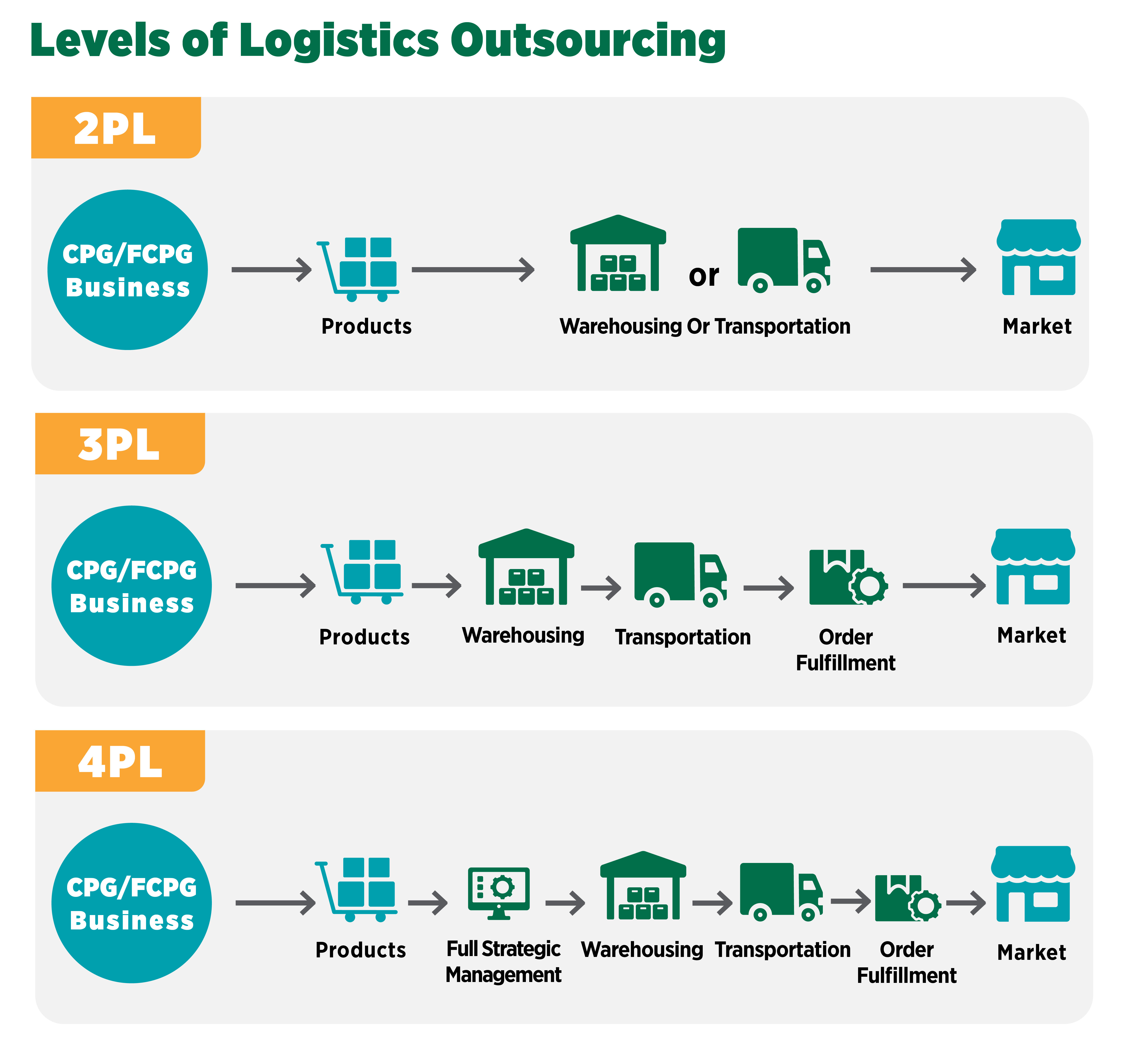
2PL is the simplest form of logistics outsourcing. A company contracts a carrier or a warehouse operator to perform a single function, either transportation or storage, but not both integrated together.
You identify a specific need, contract with a specialized provider who owns the assets (trucks or warehouses) and retain control over planning and coordination.
Consider a mid, sized snack manufacturer based in Dammam that produces chips and baked goods. They own their production facility and a small warehouse but need trucks to deliver finished goods to retailers across the Eastern Province. They contract with a local trucking company that provides vehicles and drivers, while the manufacturer handles route planning and retailer relationships themselves.
Third Party Logistics (3PL)
3PL providers manage multiple integrated logistics functions including warehousing, transportation, order fulfillment, and inventory management.
Your products are stored in the 3PL warehouses, transported by their fleet, and managed through their systems. They handle daily operations while you maintain strategic oversight and focus on manufacturing and selling.
A well, established Saudi food company producing dairy products, juices, and packaged foods might partner with a 3PL provider operating temperature, controlled facilities across the Kingdom. The 3PL manages their entire downstream supply chain, receiving finished goods from production facilities, storing products in appropriate temperature zones, and executing deliveries to thousands of retail points nationwide.
Fourth Party Logistics (4PL)
A 4PL provider acts as a single point of accountability for your entire supply chain, managing and integrating multiple 3PLs and carriers on your behalf.
The 4PL designs your logistics network, selects and manages partners, implements integrated technology, and continuously optimizes operations. They orchestrate rather than operate.
A global FMCG corporation operating across multiple categories in Saudi Arabia, food, beverages, home care, personal care, might engage a 4PL to coordinate between their regional manufacturing hub, bonded warehouses, and multiple 3PL providers handling different product categories. The 4PL provides a single technology platform with end-to-end visibility and manages the entire network to optimize total supply chain cost.

Selecting the right logistics model is a critical decision that directly impacts your ability to compete in Saudi Arabia's dynamic CPG/FMCG market. The choice depends on honestly evaluating several key factors that reflect your current reality and future ambitions.
Business Size and Growth Stage
Your company's scale and growth plans significantly influence the right logistics model. Startups and small CPG brands with limited volume often find 2PL most economical; volumes don't justify 3PL minimum commitments, and operations remain simple enough to manage internally.
As companies grow and expand across multiple cities, 3PL becomes attractive. Managing multiple 2PL relationships grows burdensome, and integrated inventory visibility becomes essential. A 3PL partner accommodates growth without requiring proportional increases in your logistics team.
Large enterprises with complex, multi, category operations benefit most from 4PL arrangements. The scale justifies the additional cost, and strategic benefits like network optimization and consolidated management deliver substantial value.
Geographic Coverage
Saudi Arabia's vast geography makes distribution coverage a critical consideration. If your distribution is concentrated in one city or region, 2PL arrangements work effectively; you can build direct relationships with local carriers and warehouses while keeping coordination manageable.
Expanding to cover multiple cities like Riyadh, Jeddah, and Dammam typically triggers the need for 3PL support. Coordinating multiple warehouses and inter, city transportation becomes challenging with fragmented 2PL relationships. A 3PL with national infrastructure offers seamless coverage without managing separate providers in each location.
For truly national distribution or GCC, wide operations, 4PL arrangements provide network design expertise to optimize complex distribution across multiple markets and manage various local providers.
Temperature Requirements
Temperature requirements dramatically affect logistics complexity. If your portfolio consists entirely of shelf, stable products, snacks, cleaning supplies, personal care, standard 2PL or basic 3PL services work well and are widely available across Saudi Arabia.
When your portfolio includes a mix of ambient, chilled, and frozen products, complexity increases substantially. Managing multiple temperature zones requires specialized infrastructure and careful coordination, typically demanding 3PL partnerships with comprehensive cold chain capabilities.
For businesses focused primarily on temperature, sensitive products like fresh dairy, frozen foods, or pharmaceuticals, partnering with a specialized cold chain 3PL becomes essential to protect product quality in Saudi Arabia's challenging climate.
Cost vs Control Priorities
Every business balance operational control against cost efficiency. If direct oversight is paramount due to customer requirements or specialized handling needs, 2PL preserves maximum control, though with higher internal management overhead.
Most CPG/FMCG businesses find balance with 3PL partnerships. You define service requirements and KPIs while the 3PL handles daily operations. Transparent reporting maintains oversight without managing every detail yourself.
Companies prioritizing cost optimization can leverage 4PL arrangements for significant efficiencies. The 4PL optimizes across the entire network, minimizing total supply chain cost while freeing your team to focus on commercial activities.
Technology and Visibility Needs
Logistics technology can be a competitive differentiator for CPG/FMCG businesses. Smaller operations may function with basic technology, spreadsheets, and manual reporting, which aligns with 2PL relationships where you maintain systems internally.
Growing businesses require robust capabilities: warehouse management systems, transportation management systems, and real, time visibility portals. These come standard with established 3PL partnerships, providing technology that would be expensive to develop independently.
Large enterprises often need fully integrated technology ecosystems for connecting planning, warehousing, transportation, and analytics. 4PL providers specialize in implementing these sophisticated architectures that even large companies struggle to build internally.

For CPG/FMCG businesses seeking a capable logistics partner in Saudi Arabia, Starlinks offers comprehensive solutions designed to support operations across the logistics model spectrum. With strategically positioned warehouses in Riyadh, Dammam, Qassim, Jeddah, Madinah, and Khamis Mushait, Starlinks provides genuine national reach that enables CPG/FMCG brands to serve retailers from major urban centers to developing regions efficiently.
Starlinks maintains substantial infrastructure to support diverse product requirements. Across the Kingdom, with our latest multi temp warehouses Polaris and Thuraya in Riyadh, the company operates more than 80,000 ambient pallet positions with temperature ranges maintained between +17°C and +23°C, ideal for shelf, stable CPG products. For temperature, sensitive goods, Starlinks provides more than 31,000 chilled and frozen pallet positions with precise temperature control ranging from -25°C to +5°C, ensuring cold chain integrity for dairy, frozen foods, and other perishable products throughout Saudi Arabia's challenging climate.
.jpg)
Beyond warehousing, Starlinks operates a large transportation fleet ensuring capacity availability and service consistency, particularly during peak demand periods like Ramadan and summer months. The company's technology infrastructure includes sophisticated warehouse and transportation management systems, along with Starlinks LAUNCHPAD, a customer experience portal that gives brand owners direct visibility into their inventory, orders, and delivery performance. This combination of national infrastructure, cold chain expertise, advanced technology, and scalable capacity positions Starlinks as a partner capable of supporting CPG/FMCG businesses through every stage of their growth journey in Saudi Arabia.
Choosing between 2PL, 3PL, and 4PL depends on your specific situation; there is no universally correct answer. For simpler operations with focused needs, 2PL offers control and cost effectiveness. For growing businesses expanding across Saudi Arabia, 3PL provides integrated services and scalable infrastructure. For complex enterprises managing multi-market supply chains, 4PL delivers strategic orchestration and optimization.
As one of Saudi Arabia's leading logistics providers for the CPG/FMCG sector, Starlinks supports businesses across all models with comprehensive 2PL, 3PL, 4PL, and cold chain capabilities. The right logistics model, supported by the right partner, becomes more than an operational decision, it becomes your competitive advantage in Saudi Arabia's dynamic and growing market.
Need help choosing the right logistics partner? Contact us to get started.