المدونة
May 17, 2026
8
دقائق للقراءة
 التقارير والمقالاتالمدونةالتوسع في سلاسل المطاعم في السعودية: التعقيدات اللوجستية وراء جودة وسلامة الغذاء
يشهد قطاع المطاعم في المملكة العربية السعودية طفرة غير مسبوقة. مدفوعًا برؤية 2030، وقطاع سياحي سريع النمو يستقبل ملايين الزوار الجدد سنويًا، وارتفاع الإنفاق الاستهلاكي، وجيل شاب يعيد تشكيل تفضيلات الطعام في المملكة. يتوسع قطاع خدمات الأغذية بوتيرة يصعب على كثير من القطاعات الأخرى مجاراتها. تظهر علامات تجارية جديدة لمطاعم الخدمة السريعة، وتتوسع سلاسل المطاعم مطاعم الخدمة المتوسطة (casual dining)، بينما تنتقل العلامات المحلية من فرع واحد إلى انتشار واسع على مستوى المملكة.
لكن هنا تكمن المفارقة التي لا يتحدث عنها معظم المشغلين؛ فنادرًا ما يفشل التوسع في سلاسل المطاعم بسبب الوصفات. بل يفشل بسبب اللوجستيات التي تقف خلفها.
فخلف كل سلسلة مطاعم ناجحة، توجد سلسلة إمداد تعمل بصمت للحفاظ على جودة الغذاء، وسلامته، وثبات التجربة عبر جميع الفروع. عندما تعمل سلسلة الإمداد بالشكل الصحيح، يبدو النمو سهلاً. وعندما تفشل، يصبح كل فرع جديد عبئًا تشغيليًا.
يستعرض هذا المقال التعقيدات اللوجستية الحقيقية وراء توسع سلاسل المطاعم في السعودية، والنماذج التشغيلية التي تعتمدها العلامات التجارية، ولماذا أصبح التعاون مع مزود الخدمات اللوجستية المناسب عاملاً مهماً في النجاح على المدى الطويل.
غالبًا ما يُنظر إلى التوسع في المطاعم على أنه تحدٍ تسويقي أو عقاري فقط. لكن في الواقع، هو سباق ضد الوقت ودرجات الحرارة. عندما تدير العلامة التجارية فرعًا واحدًا، يستطيع المالك الإشراف شخصيًا على كل عملية توريد. لكن مع توسع الأعمال عبر نطاق جغرافي واسع، يمكن حتى للأخطاء التشغيلية البسيطة أن تصبح مكلفة بسرعة.
ويؤدي التوسع عبر عدة فروع إلى خمسة تحديات لوجستية رئيسية:
تقديم نفس التجربة بين المناطق: ضمان أن يبقى المنتج أو الوصفة بنفس الجودة والطعم عبر في مختلف الفروع أين ما كانت.
إدارة المخزون سريع التلف: التعامل مع منتجات عالية الحركة ذات مدة صلاحية محدودة وتتطلب استهلاك سريع واهتمام خاص.
الامتثال للأنظمة: الالتزام بمعايير الهيئة العامة للغذاء والدواء السعودية (SFDA) على نطاق تشغيلي واسع
تقلبات الطلب: القدرة على إدارة الارتفاعات الكبيرة في العمليات اللوجستية خلال مواسم الذروة مثل رمضان، وموسم الحج، والعطل الرسمي.
موثوقية التوصيل للفروع: تُعد الرحلة من المركز الرئيسي إلى الفرع من أكثر المراحل عرضة لتأثر جودة الغذاء وتتطلب دقة عالية واهتمام بجميع التفاصيل.
ومن دون مزود خدمات لوجستية احترافي (3PL)، تؤدي هذه التحديات غالبًا إلى عمليات لوجستية مجزأة. فالاعتماد على التوصيل المباشر للفروع، حيث يقوم عشرات الموردين بالتوصيل المباشر لكل فرع، يخلق فوضى تشغيلية، ويرفع مخاطر جودة وسلامة الغذاء، ويجعل الرؤية الفورية وتتبع المخزون شبه مستحيل. ولتجاوز تحديات التوسع، تحتاج سلاسل المطاعم إلى اتباع نهج المركزية في العمليات.
كل سلسلة مطاعم تتوسع تصل في النهاية إلى سؤال جوهري: ما الذي يجب أن يتم تجهيزه بشكل مركزي، وما الذي يترك ليتم تحضيره داخل الفروع؟ والإجابة على هذا السؤال هي ما يحدد شكل العمليات التشغيلية، وتكاليف العمالة، واستراتيجية سلسلة الإمداد الخاصة بالمطعم. في السوق السعودي، تعتمد العلامات التجارية عادةً على أحد نموذجين رئيسيين، رغم أن أكثر سلاسل المطاعم نجاحًا غالبًا ما تعتمد على نموذج هجين يجمع بينهما.
في هذا النموذج، تعتمد العلامة التجارية على مطبخ مركزي أو منشأة إنتاج لتولي الجزء الأكبر من عمليات التحضير الغذائي. يتم توحيد الوصفات داخل بيئة تشغيلية صناعية؛ حيث تُجهز العجائن، ويتم تتبيل وتحضير اللحوم والدجاج، وتُعد الصلصات مركزيًا قبل إرسالها إلى الفروع لاستكمال التحضير النهائي.
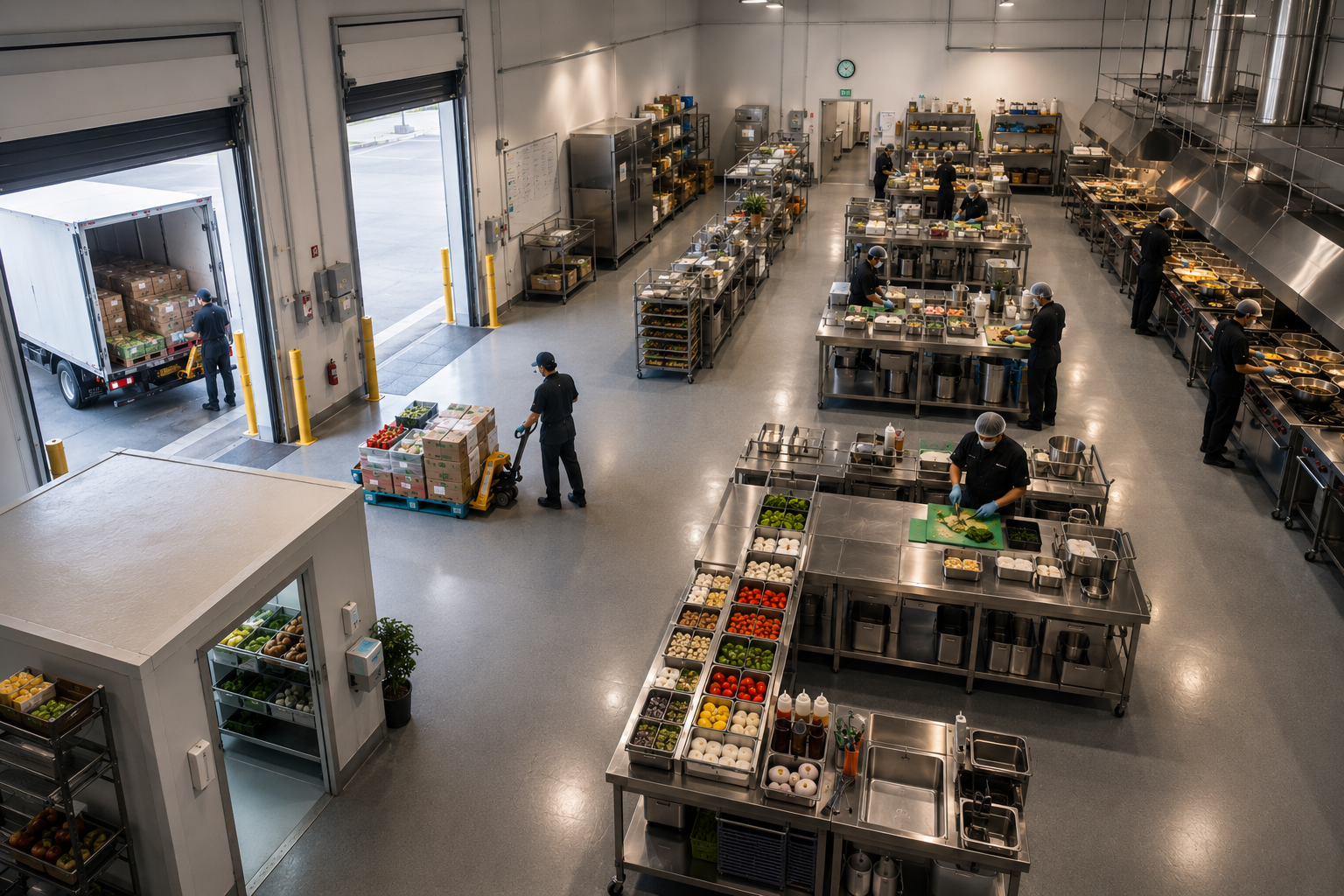
يتطلب هذا النموذج عمليات توزيع عالية الدقة للمطابخ المركزية ومن المطابخ المركزية إلى الفروع. ونظرًا لأن المكونات الجاهزة غالبًا ما تكون مدة صلاحيتها أقصر من المواد الخام، فإنه يعتمد على سلسلة تبريد متكاملة، وجداول توزيع متكررة ومنتظمة لضمان الحفاظ على هذه الأطعمة.
مطاعم الخدمة السريعة، والمخابز، ومطاعم الخدمة المتوسطة (casual dining) التي تعتمد بشكل كبير على توحيد الوصفات.
في هذا النموذج، تتم المركزية على مستوى المكونات وليس على مستوى التحضير الغذائي. حيث يتم شراء المواد الخام والمواد الجافة بكميات كبيرة وتخزينها داخل مستودعات مركزية، ثم توزيعها على الفروع التي تتم فيها عمليات التحضير الفعلية.
يعتمد هذا النموذج على سعات تخزين كبيرة وإدارة دقيقة للمخزون وفق نظام FEFO (الأقرب لانتهاء الصلاحية يخرج ويستهلك أولاً). كما يتطلب شريكًا قادرًا على إدارة مستودع بمناطق تخزين متعددة درجات الحرارة وأساطيل نقل متنوعة.
المطاعم الخدمة المتكاملة، والمطاعم الفاخرة، والعلامات التجارية التي تعتمد على مفهوم التحضير الكامل داخل الفرع.
تعتمد أكثر سلاسل المطاعم نجاحًا في المملكة غالبًا على مزيج من النموذجين. فقد تستخدم التوزيع عبر المطابخ المركزية للمنتجات المميزة والخاصة التي تتطلب دقة عالية في التحضير، مع الاعتماد على التخزين المركزي للمواد الخام. وبغض النظر عن النموذج، يبقى العامل المشترك هو الاعتماد الكامل على بنية لوجستية متطورة.
لفهم كيف يضمن شريك الخدمات اللوجستية (3PL) جودة الأطعمة، يجب النظر إلى العملية التشغيلية الكاملة التي تحدث قبل أن تصل أي وجبة إلى العميل.
عند وصول المواد الغذائية إلى المنشآت المركزية، يبدأ العد التنازلي. حيث تقوم شركات الخدمات اللوجستية بإجراء فحوصات جودة فورية، وتسجيل أرقام التشغيلات وتواريخ الصلاحية داخل نظام إدارة المستودعات (WMS)، مما يضمن إمكانية تتبع كل منتج منذ دخوله سلسلة الإمداد.
تتطلب المنتجات الغذائية بيئات تخزين مختلفة. لذلك يدير مزود الخدمات اللوجستية ثلاث مناطق رئيسية:
▪️التخزين بدرجة الحرارة المعتدلة (Ambient): للمواد الجافة والزيوت ومواد التغليف.
▪️التخزين المبرد (Chilled): لمنتجات الألبان والدواجن والخضروات الطازجة.
▪️التخزين المجمد (Frozen): للبروتينات المجمدة والمنتجات الجاهزة.
ويُعد الحفاظ على هذه المناطق التشغيلية على مدار الساعة الطريقة الوحيدة لضمان سلامة الغذاء على نطاق واسع.
.jpg)
في نموذج المطبخ المركزي، يتم تجهيز وتقسيم المنتجات. أما في نموذج التخزين المركزي، فيتم “التقاط وتجهيز” الطلبات حسب احتياجات كل الفروع اليومية. وتساعد الكفاءة التشغيلية هنا على منع نفاد المنتجات داخل الفروع وضمان توفر القائمة بالكامل للعملاء.
تُعد هذه المرحلة الأكثر حساسية. فمن خلال أسطول من المركبات المبردة، يُنفذ مزود الخدمات اللوجستية استراتيجية “التوزيع متعدد الوجهات”، والتي تعتمد على تحسين المسارات بين مدن مثل الرياض وجدة والدمام لضمان تزويد عدة فروع ضمن رحلة واحدة بكفاءة عالية، مع الحفاظ الكامل على سلسلة التبريد طوال عملية النقل.
في المملكة العربية السعودية، لا تُعد سلامة الغذاء مجرد وعد من العلامة التجارية، بل التزامًا قانونيًا صارمًا. وتفرض الهيئة العامة للغذاء والدواء السعودية (SFDA) بعضًا من أكثر المعايير صرامة في العالم. وبالنسبة لسلسلة مطاعم متوسعة، فإن مخالفة واحدة فقط قد تؤدي إلى غرامات كبيرة، وإغلاق للفروع، وإلحاق ضرر دائم بالعلامة التجارية والأمثلة على هذا كثيرة ونراها في الواقع وقد تصل إلى الغغلاق والخروج النهائي من السوق.
ولهذا، تعتمد شركات الخدمات اللوجستية المتخصصة على تطبيق مبادئ تحليل المخاطر ونقاط التحكم الحرجة في جميع مراحل التشغيل (HACCP )، ويشمل ذلك:
▪️شهادات ISO 22000: لضمان تطبيق المعايير العالمية لإدارة سلامة الغذاء.
▪️التوثيق الكامل لدرجات الحرارة: من خلال توفير سجل رقمي يثبت أن المنتجات لم تخرج عن نطاق درجات الحرارة المطلوبة أثناء التخزين أو النقل.
▪️التتبع الدقيق والاستعداد لسحب أي شحنات قد تكون تالفة: توفير البيانات اللازمة لتحديد موقع أي دفعة محددة من المنتجات عبر شبكة الفروع بالكامل. وفي حال ظهور مشكلة جودة لدى المورد، يتيح شريك 3PL عزل المنتجات المتأثرة وسحبها فورًا لحماية المستهلك والعلامة التجارية.
يحاول كثير من أصحاب المطاعم إدارة العمليات اللوجستية داخليًا، ليجدوا أنفسهم في النهاية يستنزفون رأس المال في أساطيل النقل والمستودعات والعمالة.
أما الاستعانة بشريك لوجستي (3PL)، فتحول اللوجستيات من “عبء تشغيلي” إلى ميزة تنافسية.
فبدلاً من دفع تكاليف مستودعات نصف فارغة، يتم الدفع حسب المساحة المستخدمة فعليًا. وهذا أمر بالغ الأهمية خلال مواسم الذروة، حيث تتضاعف الأحجام التشغيلية عدة مرات خلال فترة قصيرة.
يمتلك مزود الخدمات اللوجستية بالفعل المراكز التشغيلية والأساطيل اللازمة لمساعدتك على افتتاح فروع جديدة في مدن أخرى بسرعة وبدون أي تعقيدات.
تمنح لوحات التحكم الفورية مديري المطاعم رؤية كاملة لحركة المخزون، مما يقلل الهدر ويحسن دقة الطلبات.
رسخت ستارلينكس مكانتها كمحرك لوجستي رئيسي في قطاع الأغذية والمشروبات التي تسعى للتوسع في السوق السعودي. ومن خلال منظومة متكاملة وبنية قوية من خدمات التخزين والنقل، تتيح ستارلينكس لملاك المطاعم التركيز على جودة الطعام بدلاً من القلق بشأن العمليات اللوجستية وتعقيداتها.
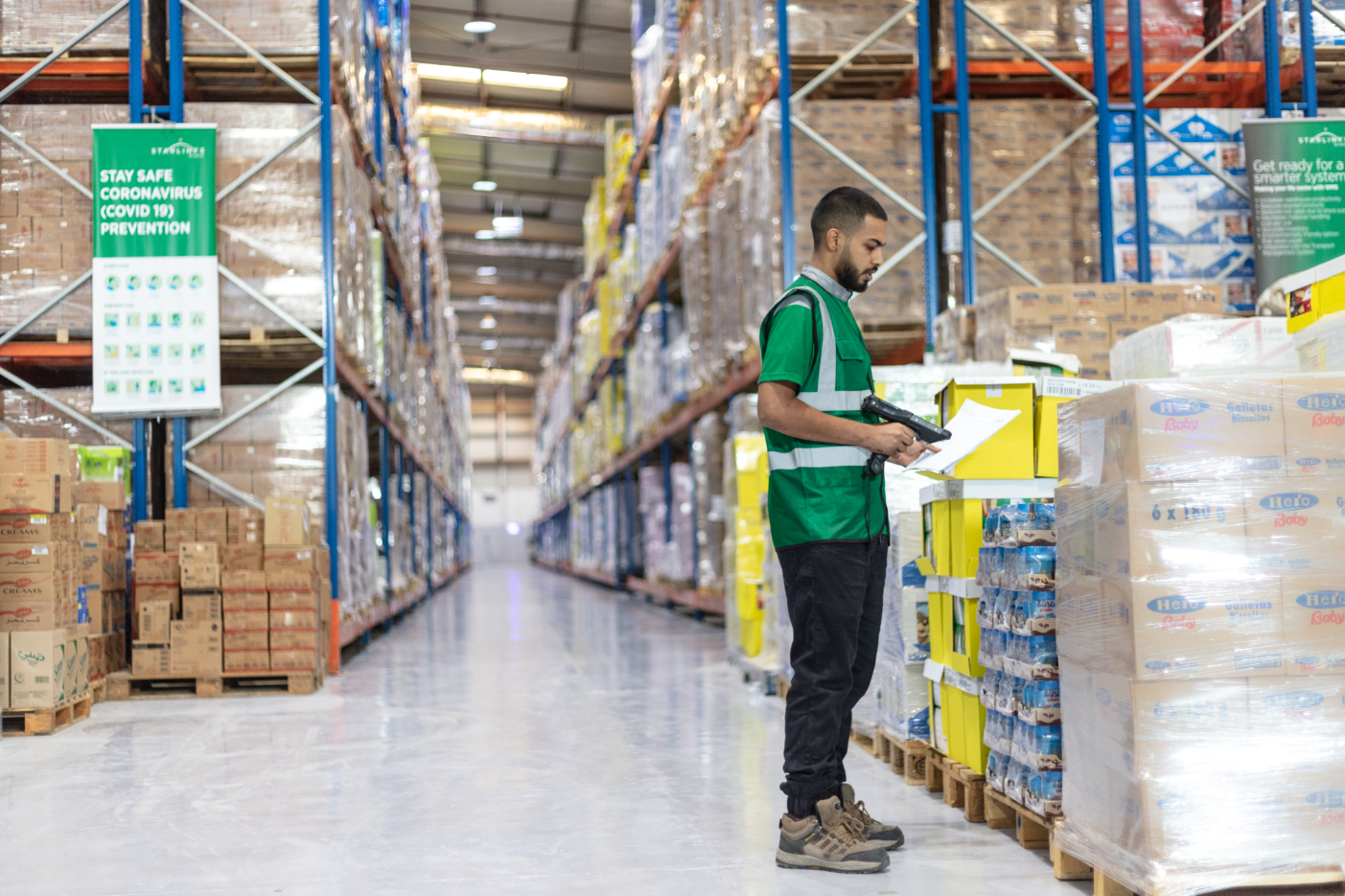
توفر ستارلينكس أكثر من 150,000 موقع تخزين طبلية متعدد درجات الحرارة على مستوى المملكة، مما يمنحها القدرة التشغيلية اللازمة للتوزيع الوطني.
من منشأة بولاريس المخصصة لسلاسل التبريد للتعامل مع المنتجات المبردة والمجمدة، إلى مركز ثريا اللوجستي المصمم لتخزين المنتجات بدرجة الحرارة المعتدلة، تغطي ستارلينكس جميع متطلبات درجات الحرارة بمنشآت متطورة وأسطول نقل متنوع.
توفر منصة "LaunchPad" من ستارلينكس رؤية كاملة للمخزون، وحالة الطلبات، وتقارير تتبع درجات الحرارة بشكل فوري.
بفضل حصول ستارلينكس على شهادات واعتمادات هيئة الغذاء والدواء السعودية (SFDA) والبلدية و(ISO 9001) و(ISO 22000)، نساعد علامتك التجارية على الحفاظ على الامتثال للمتطلبات واللوائح التنظيمية في المملكة بشكل مستمر.
إن رحلة التحول من مطعم محلي إلى سلسلة مطاعم مليئة بالتحديات اللوجستية. وفي البيئة التنظيمية والمناخية المعقدة في السعودية، لا يمكن إدارة سلسلة تضم 50 فرعًا بعقلية تشغيل فرع واحد.
وسواء كنت تعتمد على مطبخ مركزي، أو مستودع مركزي، أو نموذج هجين، فإن نجاحك يعتمد على قوة سلسلة التبريد وكفاءة التوزيع. ومن خلال التعاون مع مزود خدمات لوجستية احترافي مثل ستارلينكس، تستطيع سلاسل المطاعم الاستفادة من بنية تحتية لوجستية عالمية للنمو بشكل أسرع وأكثر أمانًا واستدامة.
وفي سوق الأغذية والمشروبات سريع النمو في المملكة، لا يعتمد النجاح طويل المدى فقط على جودة الطعام، بل أيضًا على قوة وموثوقية سلسلة الإمداد التي تقف خلفه.