المدونة
March 11, 2026
8
دقائق للقراءة
 التقارير والمقالاتالمدونةMulti-Temperature Logistics: Simplifying Cold Chain Complexity
A single temperature breach can destroy an entire shipment. For CPG (Consumer Packaged Goods) and FMCG (Fast Moving Consumer goods) businesses handling perishable goods, cold chain integrity isn't optional; it's everything.
In Saudi Arabia, where summer temperatures exceed 50°C and demand for temperature-sensitive products continues to rise, managing the cold chain is both critical and complex. Dairy, frozen foods, fresh produce, beverages, and pharmaceuticals all require precise temperature control from warehouse to final delivery. One failure anywhere in the chain means spoiled products, lost revenue, and damaged customer trust.
The challenge intensifies when businesses handle products requiring different temperature zones, ambient, chilled, and frozen; often moving through the same supply chain. Coordinating these requirements while maintaining compliance, speed, and cost efficiency demands more than basic logistics. It demands multi-temperature expertise.
This article explains what multi-temperature logistics involves, the challenges businesses face in Saudi Arabia, and how the right partner simplifies cold chain complexity.
Multi-temperature logistics is the management of products requiring different temperature zones, ambient, chilled, and frozen across warehousing and transportation within a single, integrated operation.
Instead of managing separate facilities and fleets for each temperature requirement, multi-temperature logistics brings everything under one roof. Products move seamlessly between zones without breaking the cold chain, reducing handovers, minimizing risk, and accelerating fulfillment.
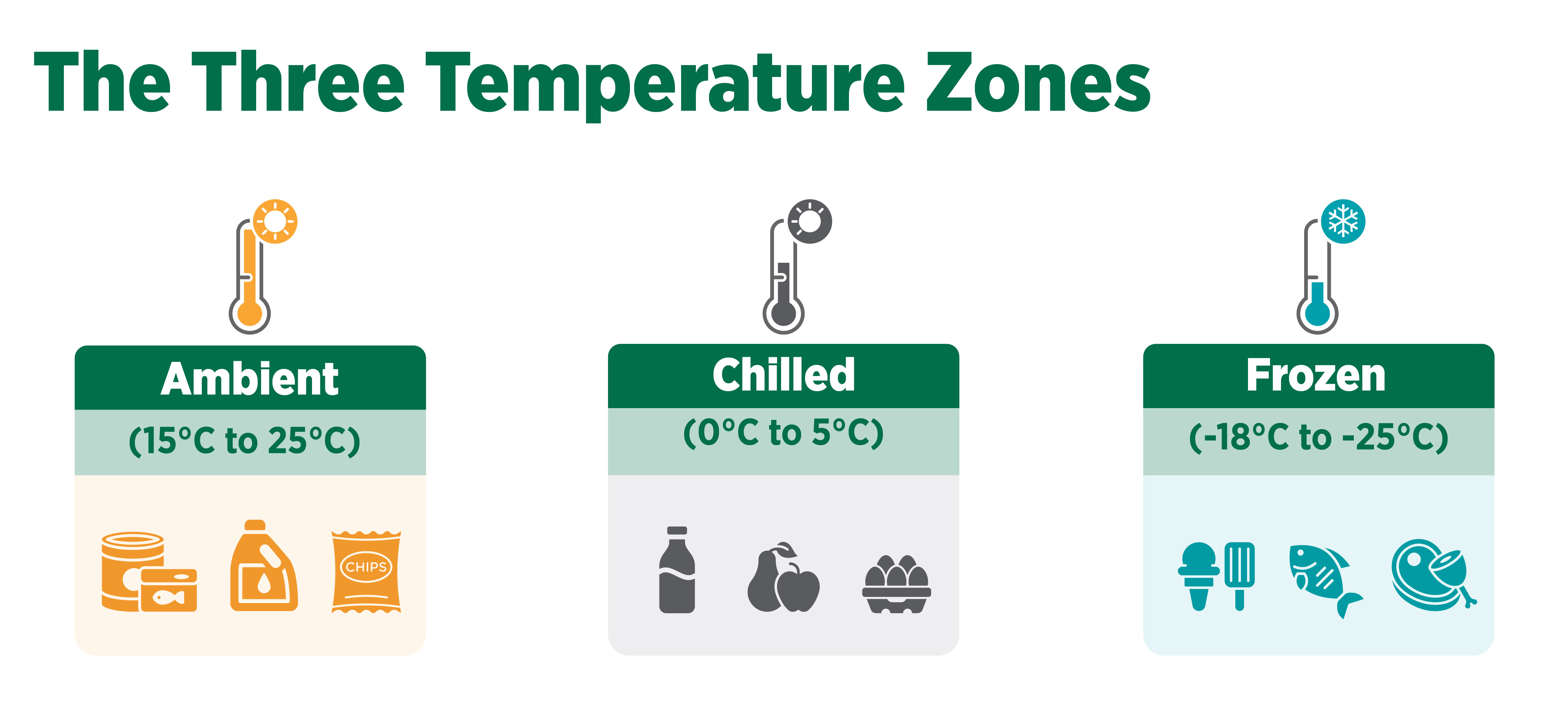
Ambient (15°C to 25°C): Shelf-stable products that don't require refrigeration but need protection from extreme heat. This includes canned goods, dry foods, beverages, cleaning products, and personal care items.
Chilled (0°C to 5°C): Products requiring refrigeration to maintain freshness and safety. This includes dairy products, fresh produce, deli items, juices, and certain pharmaceuticals.
Frozen (-18°C to -25°C): Products requiring deep freezing to preserve quality and prevent spoilage. This includes frozen meats, seafood, ice cream, frozen vegetables, and frozen prepared foods.
The power of multi-temperature logistics lies in integration. Different products, different conditions, one seamless 3PL operation. Temperature integrity is maintained from the moment products enter the warehouse until they reach the customer's hands. Fewer handovers mean lower risk. Integrated operations mean faster fulfillment and better cost control.
Cold chain logistics is demanding anywhere in the world. In Saudi Arabia, the challenges are amplified by climate, geography, and market dynamics. And the cost of getting it wrong is severe; spoiled inventory, retailer penalties, customer refunds, and reputational damage that can take years to repair. A single temperature excursion during a peak period like Ramadan can result in thousands of units lost. In cold chain logistics, prevention is always cheaper than recovery.
Saudi Arabia's extreme heat puts constant pressure on cold chain infrastructure. Summer temperatures regularly exceed 50°C, meaning even brief exposure during loading, transit, or delivery can compromise product integrity. A few minutes outside temperature control can turn a compliant shipment into waste.
The Kingdom's geography adds another layer of complexity. The major cities, Riyadh, Jeddah, and Dammam are separated by hundreds of kilometers. Reliable refrigerated transport across these distances requires robust equipment, skilled drivers, and real-time monitoring. There's no margin for equipment failure or route delays.
Demand for temperature-sensitive products doesn't follow a steady curve. Ramadan creates massive spikes in food consumption. Hajj brings millions of additional consumers. Summer months increase demand for beverages, dairy, and frozen products. Promotional periods add further volatility.
For cold chain operators, this means handling sudden volume surges without compromising temperature integrity. High demand requires constant movement; products can't sit waiting. Stockouts disappoint customers; spoilage destroys margins. Both outcomes damage relationships with retailers and end consumers.
Building and operating multi-temperature facilities requires significant capital investment. Refrigeration systems, backup power, insulated storage zones, temperature monitoring technology, and specialized handling equipment all add cost and complexity.
Maintaining separate zones for ambient, chilled, and frozen products within a single facility demands careful design and operational discipline. Not every 3PL provider has the infrastructure, expertise, or willingness to invest in true multi-temperature capabilities.
The final delivery is often the most vulnerable point in the cold chain. Products that maintained perfect temperature through warehousing and line-haul transport can be compromised in the last mile. Delivery vehicles must maintain temperature control. Drivers must follow proper handling procedures. Handover to customers must be swift and documented.
In Saudi Arabia's heat, last-mile failures happen fast. A delivery vehicle with a malfunctioning refrigeration unit, a driver who leaves doors open too long, a delayed handover at a retail location; any of these can break the chain.
Effective multi-temperature logistics integrates warehousing, transportation, and technology into a seamless operation that maintains temperature integrity at every step.
The foundation of multi-temperature logistics is a facility designed to handle all three temperature zones efficiently and safely.
Dedicated Temperature Zones: Each zone; ambient, chilled, and frozen operates independently with its own refrigeration systems, access controls, and monitoring. Products are stored in the appropriate zone from the moment they arrive.
Seamless Movement Between Zones: When orders require products from multiple zones, the facility design enables quick picking and consolidation without exposing products to temperature excursions. Staging areas and dock scheduling minimize the time products spend outside their designated zones.
FEFO Protocols: For perishable products, First Expired, First Out (FEFO) inventory management ensures that products closest to expiry ship first. This reduces waste and ensures customers receive products with maximum remaining shelf life.
Real-Time Inventory Visibility: Warehouse Management Systems (WMS) track every product's location, temperature zone, batch number, and expiry date. Inventory accuracy prevents stockouts and enables rapid response to customer orders.
Moving temperature-sensitive products from warehouse to customer requires specialized equipment and disciplined execution.
Refrigerated Fleet: Vehicles equipped with refrigeration units maintain precise temperatures throughout transit. For operations handling multiple temperature requirements, multi-compartment trucks allow ambient, chilled, and frozen products to travel together without cross-contamination.
Real-Time Temperature Monitoring: IoT sensors continuously track temperature inside vehicles. Any deviation triggers immediate alerts, allowing intervention before products are compromised. Temperature data is logged and stored for compliance and customer reporting.
Route Optimization: Transportation Management Systems (TMS) optimize routes to minimize transit time and reduce temperature exposure risk. For multi-drop deliveries, sequencing considers both efficiency and product sensitivity.
Last-Mile Excellence: The final delivery requires the same discipline as the rest of the chain. Drivers follow proper handling protocols. Handovers are documented with proof of delivery including temperature confirmation. Products reach customers in the same condition they left the warehouse.
Modern cold chain logistics runs on technology. Manual processes can't provide the speed, accuracy, and visibility that temperature-sensitive supply chains demand.
IoT Sensors and Data Loggers: Continuous temperature monitoring throughout warehousing and transportation. Sensors track not just current temperature but historical patterns, identifying potential issues before they become failures.
Real-Time Alerts: Automated notifications when temperatures deviate from acceptable ranges. Alerts go to operations teams, management, and even customers when appropriate, enabling rapid response.
Documented Temperature History: Every product's temperature journey is recorded and stored. This documentation supports compliance with food safety regulations, enables root cause analysis when issues occur, and provides evidence for customer and regulatory inquiries.
In cold chain logistics, following global standards isn't a checkbox; it's what separates reliable operations from risky ones. Standards provide the framework for consistent, safe, and compliant operations.
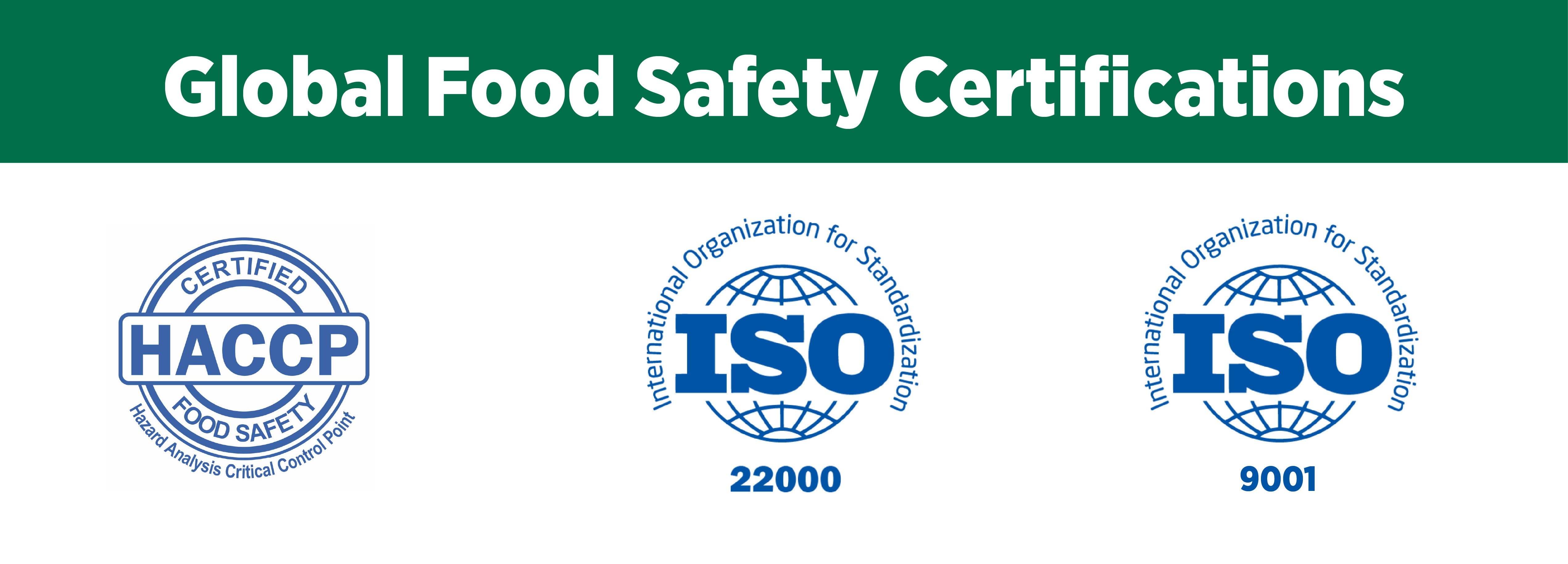
HACCP (Hazard Analysis and Critical Control Points): HACCP is the internationally recognized system for identifying, evaluating, and controlling food safety hazards. In cold chain operations, HACCP protocols define critical control points; receiving, storage, picking, loading, transit, delivery, and establish monitoring procedures for each.
ISO 9001: The global standard for quality management systems. ISO 9001 certification demonstrates that an organization has systematic processes for maintaining quality, continuous improvement, and customer satisfaction.
ISO 22000: Specifically focused on food safety management; ISO 22000 integrates HACCP principles with ISO management system standards. It covers the entire food supply chain from production to consumption.
SFDA Certification: The Saudi Food and Drug Authority (SFDA) regulates food safety in the Kingdom. SFDA certification confirms that facilities and operations meet Saudi food safety requirements for handling, storage, and distribution.
Baladiya Certification: Municipal certification from Baladiya confirms compliance with local health and safety regulations. This certification is required for food handling operations in Saudi Arabia.
Pest Control Standard Procedures: Documented pest control programs are mandatory for food storage facilities. Regular inspections, preventive treatments, and monitoring ensure that facilities remain pest-free.
Risk Management Standard Procedures: Formalized risk management identifies potential threats to cold chain integrity and establishes mitigation measures. This includes equipment failure protocols, backup systems, and contingency plans.
At Starlinks, cold chain isn't an add-on; it's core to what we do. We've built multi-temperature operations that meet the highest global standards because in cold chain logistics, there's no room for compromise.
Starlinks operates a nationwide network of strategically located facilities across Saudi Arabia and the GCC; Riyadh, Jeddah, Dammam, Qassim, Madinah, Khamis Mushait, and Dubai. Our facilities are purpose-built for CPG and FMCG logistics: food-grade environments with SFDA compliance, high-throughput operations, and flexible storage configurations spanning ambient, chilled, and frozen zones.
With 300,000+ pallet positions and a fleet of 1,000+ temperature-controlled vehicles, capacity is never a constraint; whether you're managing seasonal peaks, promotional surges, or rapid expansion.
In Riyadh, two flagship facilities represent the next generation of cold chain logistics. Polaris is our dedicated cold chain warehouse, purpose-built for temperature-sensitive products with advanced multi-temperature zones. Thuraya is our newest logistics hub, engineered for high-volume operations, rapid fulfillment, and nationwide distribution.
.jpg)
We don't just follow standards; we're certified to them. Our operations hold SFDA certification for full compliance with Saudi food safety requirements and Baladiya certification for municipal health and safety standards. We maintain ISO 9001 for quality management and ISO 22000 for food safety management, integrating HACCP principles into every process. Our documented pest control programs and risk management procedures are regularly audited, ensuring your products are protected at every stage.
We've proven our cold chain capabilities with leading brands in the Saudi market; restaurant chains managing nationwide distribution, food manufacturers scaling production, retailers expanding store networks, and international brands entering the Saudi market. Across 2PL, 3PL, and 4PL engagements, we deliver the same level of quality, reliability, and precision that drives their success.
Your growth is never limited by logistics. That's the Starlinks promise.
Multi-temperature logistics is essential for CPG and FMCG businesses handling perishables in Saudi Arabia. The challenges are real; extreme climate, demand fluctuations, infrastructure complexity, and last-mile vulnerability. Temperature control failures are costly, and there's no second chance with spoiled products.
But with the right partner, cold chain complexity becomes manageable, and even a competitive advantage.
The formula is simple:
- Ambient, chilled, and frozen under one roof.
- Fewer handovers, lower risk, faster fulfillment.
- Global standards with local expertise.
- Technology that keeps you informed and in control.
At Starlinks, we simplify the complex. Our multi-temperature infrastructure, certified operations, and technology-driven approach deliver the cold chain excellence that CPG and FMCG businesses demand.