المدونة
April 22, 2026
8
دقائق للقراءة
 التقارير والمقالاتالمدونةلماذا أصبحت العمليات اللوجستية المعتمدة على البيانات ضرورة لقطاع السلع الاستهلاكية
في قطاع السلع الاستهلاكية، نقص المخزون يكلفك انخفاض في المبيعات. الشحنة التالفة تكلفك آلاف الريالات. عدم الامتثال للأنظمة يكلفك ثقة العميل.
تعتمد النماذج اللوجستية التقليدية بشكل كبير على البيانات المجزأة والتقارير اليدوية والرؤية المتأخرة للبيانات. بحلول الوقت الذي تظهر فيه المشاكل التشغيلية، يكون التأثير المالي قد حدث بالفعل؛ من خلال انخفاض المبيعات والمخزون الزائد ومخاطر الامتثال أو مستويات خدمة غير مستقرة.
الخدمات اللوجستية المعتمدة على البيانات تغير هذه المعادلة. الرؤية الفورية والتحليلات التنبؤية والأتمتة الذكية تحول المستودعات والنقل من ضروريات تشغيلية إلى مميزات تنافسية.
يشرح هذه المقالة أهمية اللوجستيات المعتمدة على البيانات، ولماذا تعتبر ضرورة لقطاع السلع الاستهلاكية، وكيفية تنفيذها عبر سلسلة الإمداد الخاصة بك.
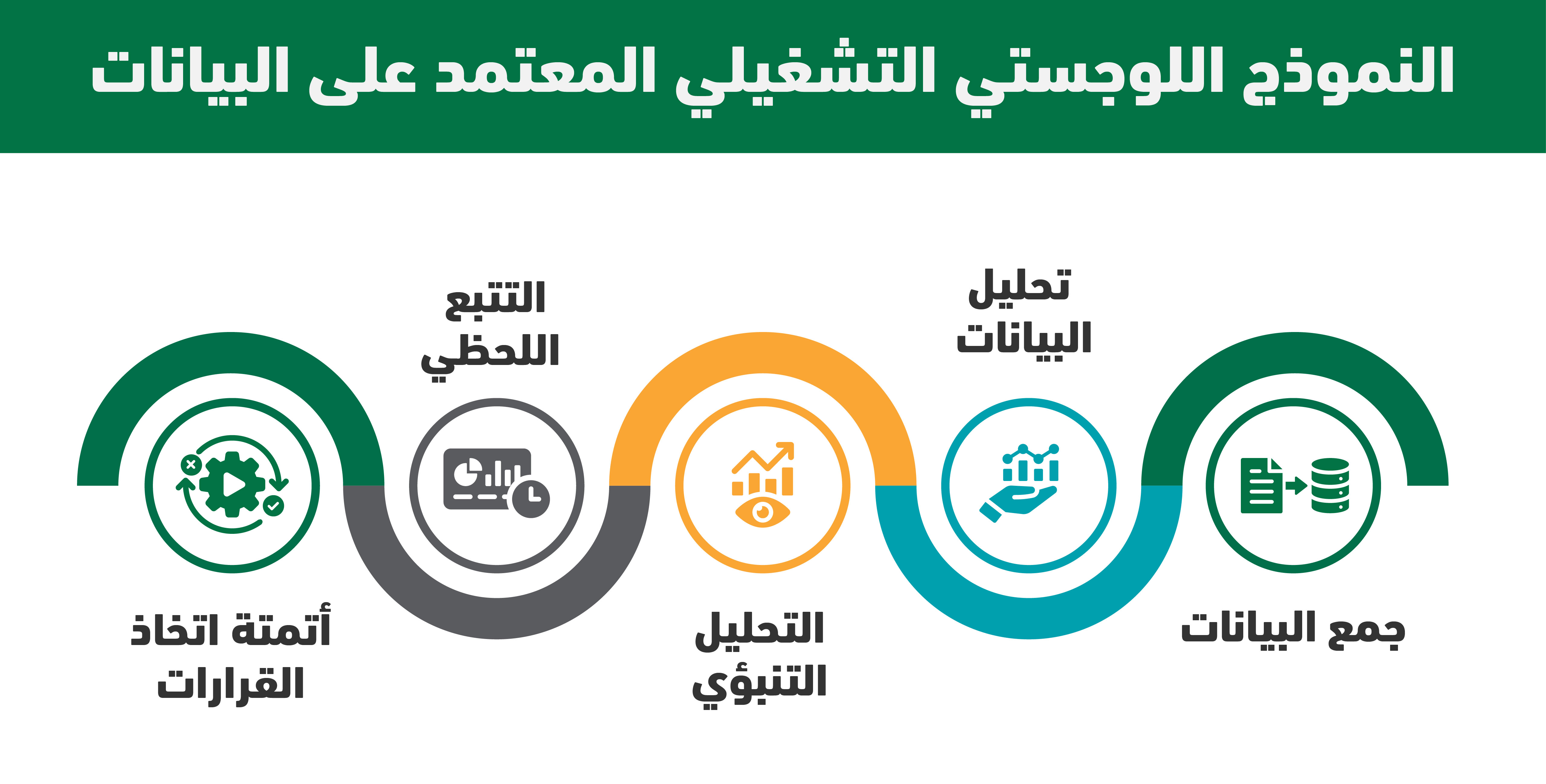
النموذج اللوجستي المعتمد على البيانات هو تكامل بين جمع البيانات في الوقت الفعلي وتحليلها واتخاذ القرارات الآلية عبر سلسلة الإمداد بأكملها.
الاعتماد الكلي على البيانات في العمليات اللوجستية يرفع مستوى الدقة والثقة. مستويات المخزون دقيقة ومتتبعة بشكل مستمر، والتغير في أنماط الطلب يتم توقعها والاستعداد لها مسبقاً باستخدام تحليلات تنبؤية عالية الدقة، والمخاطر التشغيلية يتم تحديدها في الوقت الفعلي. بدلاً من التعامل مع المشاكل بعد حدوثها، يتم التنبؤ بها ومنعها قبل أن تحدث وتؤثر على الأداء.
▪️ تتبع المخزون الفوري عبر جميع المواقع ومناطق درجات الحرارة المختلفة.
▪️ التحليلات التنبؤية التي تتوقع الطلب قبل حدوثه.
▪️ خوارزميات تحسين المسارات التي تقلل أوقات التسليم والتكاليف.
▪️ مستشعرات درجات الحرارة والموقع وحالة المنتج بشكل.
▪️ تكامل أنظمة إدارة المستودعات والنقل الذي يربط جميع العمليات اللوجستية وأنظمة العمل في عملية واحدة سلسة.
▪️ سير العمل واتخاذ القرارات الآلية التي تنشط على الفور؛ تنبيهات درجة الحرارة وإعادة ترتيب المخزون وعمليات الحجز الفورية للمنتجات التي تنتهي صلاحيتها أولاً وإعادة التوجيه للنقل دون تدخل يدوي.
تتدفق البيانات. يتم تحليلها بذكاء. تصبح القرارات آلية.
بالنسبة لشركات السلع الاستهلاكية في السعودية ودول الخليج، النموذج اللوجستي التقليدي لم يعد كافياً. تقلب حجم الطلب خلال رمضان والحج ودرجة الحرارة الشديدة وتعقيدات التجارة الحديثة وسرعة التجارة الإلكترونية تتطلب جميعها سلسلة إمداد ترى المشاكل قبل حدوثها وتستجيب في الوقت الفعلي.
▪️ هوامش ربح ضئيلة جداً: هوامش الربح بنسبة 1-3% لا تترك مجالاً لهدر المخزون.
▪️ سرعة عالية: المنتجات تتحرك بسرعة؛ نقص المخزون يحدث في ساعات وليس أيام.
▪️ تعقيد العمليات متعددة درجة الحرارة: فشل سلسلة التبريد يعني خسارة كاملة وليس ضرراً جزئياً.
▪️ الطلب غير المتوقع: رمضان والحج والارتفاعات الموسمية تخلق صدمات في العرض والطلب.
▪️ إدارة انتهاء الصلاحية: المنتجات الأقرب لانتهاء الصلاحية تخرج أولاً، نظام اجباري وليس اختياري.
▪️ فوضى المواقع المتعددة: عدد كبير من المنتجات عبر المستودعات والمتاجر ونقاط التوزيع.
▪️ اختناقات مواقع تحميل المنتجات وتكاليف الاحتجاز: عدم التنسيق في الاستقبال والشحن يخلق اختناقات وتأخيرات ورسوم احتجاز.
▪️ نقص المخزون = فقدان الإيرادات وخسارة العملاء والإضرار بالسمعة.
▪️تكدس المخزون = تلف وانتهاء صلاحية المخزون ورأس المال المعلق.
▪️ العمليات اليدوية = الأخطاء البشرية وعدم ثبات الجودة وأوقات الاستجابة البطيئة.
▪️ عدم وجود رؤية = ردود فعل بعد حدوث المشكلة بدلاً من التخطيط الاستراتيجي والاستباقي.
▪️ فشل سلسلة التبريد = تلف الشحنات بالكامل بدون تحذير وخسائر لا تعوض.
▪️ فوضى جدولة مواقع استقبال وشحن المنتجات = الاختناقات ورسوم الاحتجاز وأوقات الانتظار الطويلة.
الرؤية الفورية لحجم الطلب تمنع نقص ونفاد المخزون. التحليلات التنبؤية تحسّن مستويات المخزون لتحسين كفاءة رأس المال. التنبيهات التلقائية لاي تغير في درجة الحرارة تمنع تلف المنتجات. التوجيه المحسّن لطرق النقل يقلل أوقات التسليم والتوزيع والتكاليف اللوجستية. الجدولة الذكية الآلية لاستلام وشحن المنتجات تلغي أوقات الانتظار وتقلل رسوم الاحتجاز وتنسق حركة المرور بسلاسة. والرؤية الكاملة تعني أنك تتحكم دائماً، وتتخذ القرارات بناءً على الحقائق وليس مجرد توقعات عشوائية.
الفرق بين النموذج الللوجستي التقليدي والمعتمد على البيانات هو السرعة والذكاء. بدلاً من الرد على المشاكل بعد حدوثها، تتوقع العمليات المعتمدة على البيانات وتمنعها. إليك نموذج التشغيل الذي يجعلها تعمل.
تعمل أنظمة إدارة المستودعات والنقل على تتبع كل عنصر وحركة ونشاط في الوقت الفعلي. مستشعرات تراقب درجة الحرارة والموقع والحالة بشكل مستمر. أنظمة جدولة الاستلام والشحن تلتقط حجوزات المواعيد للاستقبال والشحن ووصول الناقل وحجز الفترات الزمنية المتوفرة تلقائياً. لا شيء يبقى مخفياً.
▪️ حركة المخزون مسجلة تلقائياً عند حدوثها.
▪️ مواقع المركبات يتم تتبعها في الوقت الفعلي أثناء النقل.
▪️ درجات الحرارة يتم التقاطها كل دقيقة في مختلف مناطق التخزين.
▪️ حالة الطلب يتم تحديثها فوراً مع تقدم العمليات.
▪️ مواعيد الاستلام والشحن يتم إدارتها من خلال نظام إلكتروني ذكي.
تتحول البيانات الخام إلى رؤى قابلة للتنفيذ. تمكنك من فهم سلسلة الإمداد الخاصة بك بعمق، وليس من خلال التقارير الشهرية، بل من خلال الذكاء المستمر في الاستفادة من البيانات.
▪️ تحديد المنتجات بطيئة الحركة قبل أن يتم هدر رأس المال بالاستثمار فيها.
▪️ التعرف على تغيرات أنماط الطلب عبر في مختلف المواقع والمواسم.
▪️ اكتشاف الاختناقات التشغيلية قبل أن تصبح أزمات.
▪️ الإشارة إلى مخاطر انتهاء الصلاحية قبل اقتراب المنتجات من الانتهاء.
▪️ تحليل استخدام مواقع الاستلام والشحن لتحسين التدفق ومنع الاختناقات.
توقع ما هو قادم بدلاً من أخذ ردات فعل متأخرة.
▪️ التنبؤ بالطلب يمنع الارتفاعات المفاجئة ونقص المخزون.
▪️ تحسين المخزون يحافظ على تدفق رأس المال والاستفادة منه.
▪️ أتمتة نموذج "الأقرب لانتهاء الصلاحية يخرج أولاً" تضمن أقصى عمر صلاحية لكل منتج.
▪️ توقع المسار يقلل التأخيرات والمفاجآت في النقل والتسليم.
▪️ التنبؤ بسعة مواقع الاستلام والشحن يمنع تضارب الجداول ويقلل أوقات الانتظار.
رؤية شاملة وتتبع فوري عبر المستودعات والنقل من خلال منصات معلومات متكاملة. مستويات المخزون وحالة الطلب وتتبع الشحنة وتوفر مواعيد لاستقبال وشحن البضائع وقائمة الانتظار لدى الناقل ومقاييس الأداء، كل ذلك في مكان واحد، متاح فوراً.
النظام لا يقتصر على جميع البيانات وتحليلها؛ بل يجب أن يكون هناك آلية لتسريع اتخاذ القرارات الصحيحة بشكل تلقائي. تغيرات درجة الحرارة تعطيك تنبيهات. المخزون المنخفض يقوم بإعادة الطلب. عدم كفاءة مسار النقل يفعل تحسين المسار التلقائي. جدولة أوقات استلام وشحن البضائع بشكل تلقائي. الناقلون يتلقون إشعارات في الوقت الفعلي. إدارة الطوابير تمنع رسوم الاحتجاز. الذكاء يصبح جزء أساسي من العمليات اليومية.
تتصل جميع الأنظمة اللوجستية بسلاسة مع نظام تخطيط الموارد وإدارة الطلبات (ERP) وأنظمة البيع بالتجزئة الخاصة بك. نظام جدولة استلام وشحن البضائع مرتبط مع مرتبط مع أنظمة إدارة المستودعات والنقل لتنسيق الاستقبال الداخلي والشحن الخارجي مع القدرة الاستيعابية للمستودع ومستويات الموظفين. تتدفق البيانات بسلاسة تامة. تنخفض المعالجات اليدوية. سلسلة إمداد واحدة متصلة بدون أي نقاط عمياء.
تطبيق النموذج اللوجستي المعتمد على البيانات لا يعني استبدال عملياتك بالكامل بين عشية وضحاها. بل يعني بناء الأساس الصحيح وربط الأنظمة الأساسية وتوسيع االعمليات القائمة على أساس سليم. ابدأ بالوضوح حول النقاط المهمة بالنسبة لك، ثم أضف الأنظمة والاجراءات لضبط النظام طبقة تلو الأخرى.
لا تتساوى جميع البيانات. ابدأ بالمقاييس التي تدفع قرارات العمل الحقيقية:
▪️ دقة المخزون.
▪️ التسليم في الوقت المحدد وكاملاً (OTIF).
▪️ معدل التعبئة وتكرار نقص المخزون.
▪️ وقت دورة الطلب.
▪️ التعرض لانتهاء الصلاحية ومعدل التلف.
▪️ الامتثال لدرجة الحرارة وحوادث تقلبات درجات الحرارة.
▪️ معدل الاستثناء والأسباب الجذرية.
▪️ أداء استلام وشحن البضائع في الوقت المحدد.
تحتاج البنية التحتية الخاصة بك إلى جمع البيانات من كل جزء من سلسلة الإمداد:
▪️ أنظمة ERP وإدارة الطلبات توفر خطط الطلب والمخزون.
▪️ نظام إدارة المستودع (WMS) يوفر موقع المنتجات الفوري وانتهاء الصلاحية وأتمتة نظام الأقرب لانتهاء الصلاحية يخرج أولاً (FEFO).
▪️ نظام إدارة النقل (TMS) يتتبع التوجيه ومسار الطريق والوقت المتوقع للتوصيل والأداء حسب اتفاقيات الخدمة.
▪️ المستشعرات الذكية وأجهزة تسجيل البيانات تراقب درجة الحرارة والموقع والحالة عبر المستودعات وشاحنات النقل.
▪️ نظام جدولة الاستلام والشحن يدير المواعيد لاستقبال البضائع وشحنها ويوفر خدمة ذاتية للناقل ويقوم بتخصيص الفترات الزمنية.
▪️تكامل الأنظمة يربط جميع المنصات دون الحاجة لأي معالجات يدوية.
جودة البيانات هي انضباط تشغيلي، لا يجب التهاون به:
▪️ توحيد هيكل ترميز وحدات المخزون (SKU).
▪️ تنسيق دفعات الإنتاج وقواعد تواريخ الانتهاء.
▪️ تحديد مناطق درجات الحرارة وتصنيفها.
▪️ الالتزام بالمسح الضوئي عند نقاط الفحص الرئيسية.
▪️ تسمية المواقع وبروتوكولات استلام وشحن البضائع.
▪️ إجراءات حجز مواعيد الناقلين وأوقات التسليم.
حدد ما يفعّل التنبيهات ومن يمتلك اتخاذ القرار والاجراءات وكيف يتم الحل:
▪️تغيرات درجات الحرارة ← تصعيد فوري.
▪️انخفاض المخزون ← إعادة طلب آلية أو تنبيه تلقائي.
▪️تجاوز مواعيد التسليم ← تفعيل إجراءات معالجة الاستثناءات.
▪️اقتراب انتهاء الصلاحية ← تفعيل نظام FEFO أو إيقاف المنتج.
▪️البضائع التالفة ← عزل وإصدار تقرير.
▪️تأخر الشحنات الواردة ← إدارة الطوابير والتواصل.
▪️الحجز الزائد على منصات التحميل ← إعادة جدولة وإشعار تلقائي.
الذكاء لا يحقق القيمة إلا عندما يغيّر السلوك التشغيلي. لذلك يجب اعتماد إيقاع تشغيلي منتظم:
▪️أسبوعيًا: مراجعة اتفاقيات مستوى الخدمة (SLA) وتحليل اتجاهات إدارة الاستثناءات.
▪️شهريًا: مراجعة مؤشرات الأداء ومناقشات التطوير المستمر.
▪️ربع سنويًا: التطوير الاستراتيجي لسلسلة الإمداد.
في ستارلينكس، لا تُعد اللوجستيات المعتمدة على البيانات مجرد إضافة تشغيلية، بل هي جزء أساسي من طريقة إدارتنا لكل مستودع، وكل مركبة، وكل شحنة. قمنا بتأسيس البنية التحتية والأنظمة والانضباط التشغيلي لتحويل البيانات اللحظية إلى ميزة تنافسية حقيقية لعملائنا.
من خلال منصة ستارلينكس (LaunchPad)، تحصل على شفافية كاملة عبر عمليات المستودعات والنقل. تتبع وراقب كل وحدة وكل موقع وكل مستشعر درجة حرارة. اعرف مستويات المخزون وحالة الطلب وأداء التسليم في الوقت. لوحة معلومات واحدة. مصدر حقيقة واحد.
تقوم أنظمة إدارة المستودعات (WMS) وإدارة النقل (TMS) المتكاملة لدينا بتحليل أنماط الطلب وتحسين إدارة المخزون تلقائيًا. تساهم أتمتة نظام (FEFO) في منع تكدس المنتجات وانتهاء صلاحيتها، بينما تساعد توقعات الطلب في تجنب نفاد المخزون. كما تعمل تحليلات المسارات على تحسين أداء التسليم في الوقت، وتمنع الجدولة الذكية لاستلام وشحن البضائع الازدحام قبل حدوثه. تتحول الخطط الاستراتيجية إلى بيانات. وتتحول البيانات إلى عمليات على أرض الواقع.
منشأة بولاريس المخصصة لسلاسل التبريد والتي تحتوي على ثلاث مناطق تخزين بثلاث مستويات درجات حرارة مختلفة ومركز ثريا للتخزين بدرجة حرارة الغرفة يعملون بدقة ومراقبة مستمرة بمستشعرات حرارية في جميع نطاقات درجات الحرارة؛ العادية، والمبرّدة، والمجمّدة. ويتم تغذية النظام بالبيانات الفورية من كل مستشعر، فيما يؤدي أي تغير في درجات الحرارة إلى إطلاق تنبيه فوري. كما يتم توثيق السجل الحراري لكل منتج لضمان الامتثال الكامل للأنظمة ولاتفاقيات مستوى الخدمة. هذا مستوى من الدقة لا يمكن تحقيقه عبر اللتتبع والفحص اليدوي.
تستبدل منصة جدولة مناطق الاستلام والشحن لدينا الجدولة اليدوية، والمكالمات الهاتفية، وفوضى رسائل البريد الإلكتروني، عبر أتمتة مركزية لعمليات الاستلام والشحن. يمكن لشركات النقل حجز المواعيد من خلال بوابة خدمة ذاتية، بينما تتم إدارة الفترات الزمنية تلقائيًا عبر جميع مناطق الاستلام والشحن. كما تتم مراقبة أوقات الانتظار والطوابير لحظيًا، مع تقليل رسوم التأخير من خلال جدولة ذكية.
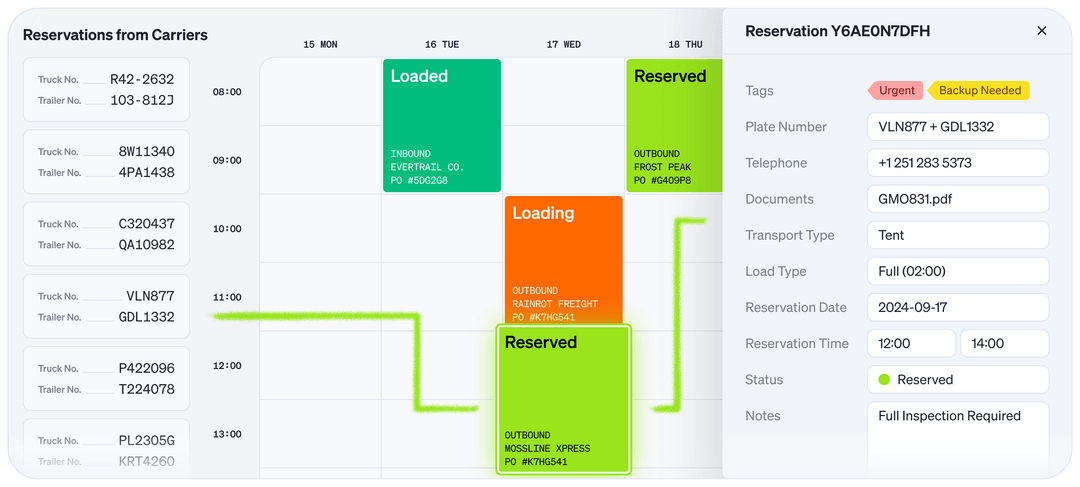
لا تعمل أنظمة إدارة المستودعات (WMS) وإدارة النقل (TMS) بشكل منفصل، بل تعمل ضمن منظومة متكاملة. تقوم جدولة مناطق الاستلام والشحن بتنسيق عمليات الاستلام الواردة والشحنات الصادرة بما يتوافق مع الطاقة التشغيلية والاسيعابية للمستودع. كما تغذي بيانات المخزون قرارات التوجيه، فيما تقوم مؤشرات الطلب بتعديل عمليات التجهيز داخل المستودعات. ويتم استخدام أداء النقل لدعم تخطيط عمليات المستودعات، بينما يمتد تتبع وحدات (SKU) عبر جميع الأنظمة. كما تم دمج مراقبة اتفاقيات مستوى الخدمة (SLA) ضمن العمليات التشغيلية، مع أتمتة كاملة لجدولة مناطق الاستلام والشحن ومزامنة مواعيد شركات النقل مع إجراءات الاستلام والشحن. كل شيء يعمل بتناغم كامل. دون أي فجوات.
تتواصل أنظمتكم مع أنظمتنا، وتتواصل أنظمتنا مع عملائكم. تتدفق البيانات بسلاسة ودون أي تعقيدات. يتكامل نظام ERP مع نظام إدارة المستودعات (WMS)، بينما يتزامن نظام إدارة الطلبات (OMS) مع نظام إدارة النقل (TMS). كما تتيح بوابات البيع بالتجزئة الاطلاع على المخزون اللحظي مباشرة. تختفي العمليات اليدوية، لتعمل سلسلة إمداد مترابطة بالكامل؛ من الاستيراد وحتى التوصيل للعميل النهائي.
لم يعد بإمكان شركات السلع الاستهلاكية في السعودية ودول الخليج المنافسة عبر نماذج لوجستية تقليدية. فقد أصبحت سلاسل الإمداد المعتمدة على البيانات هي الأساس التشغيلي لتحقيق السرعة والدقة والامتثال للأنظمة والربحية.
هوامش الربح أصبحت أقل، والمنافسة أكثر شراسة، والعملاء يطالبون بسرعة ودقة أعلى. والطريق الوحيد للمضي قدمًا هو عبر الذكاء التشغيلي؛ من خلال الرؤية اللحظية، والتحليلات التنبؤية، واتخاذ القرارات التقائية التي تحول العمليات اللوجستية من مركز تكلفة إلى محرك للنمو.
في ستارلينكس، هذه ليست ميزة إضافية قمنا بتطبيقها، بل هي الطريقة التي ندير بها عملياتنا عبر كل منشأة وكل شحنة.