Blogs
June 22, 2025
2
Mins Read

The Strait of Hormuz: Why Preparedness and Strategic Planning Matter
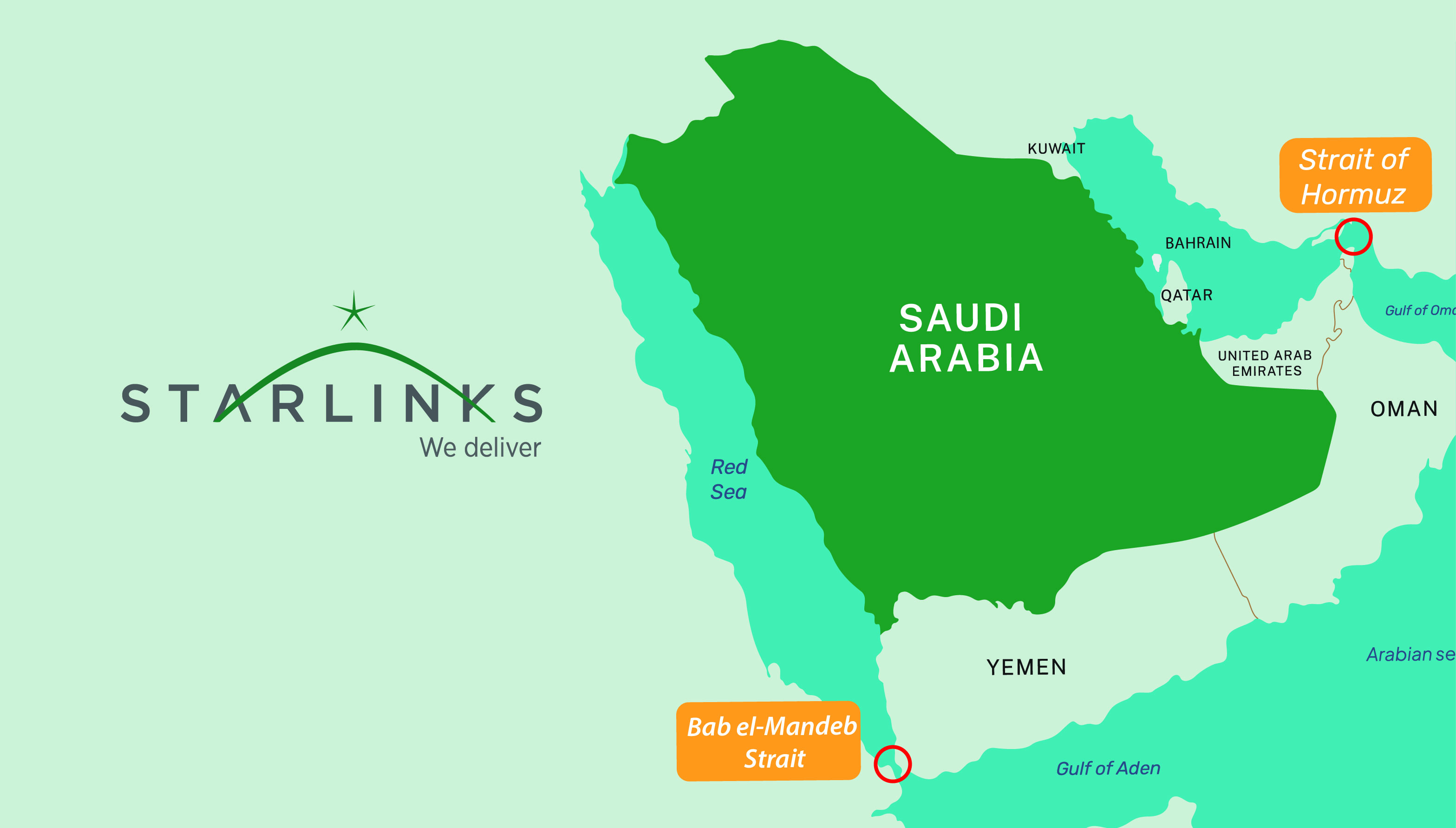
The Strait of Hormuz is much more than a narrow waterway; it is a critical global chokepoint for oil and trade. Located between Oman and Iran, this vital passage handles nearly 30% of the world’s seaborne oil exports, equating to approximately 20 million barrels per day (U.S. Energy Information Administration, 2024). For Saudi Arabia, UAE, Kuwait, Bahrain, Qatar, and other Gulf nations, the Strait of Hormuz is the essential gateway linking their economies to international markets.
With geopolitical tensions rising in the region, the risk of a closure or disruption at the Strait of Hormuz is no longer hypothetical. Such an event would have immediate and far-reaching consequences for global trade and energy security.
The Stakes Are High: What Happens If the Strait Closes?
A closure of the Strait would have dramatic effects:
1- Global shipping disruptions: Vessels would be forced to reroute around the Cape of Good Hope, adding thousands of miles and weeks of transit time to journeys (Lloyd’s List Intelligence, 2025). This would create significant delays and congestion in international shipping lanes.
2- Rising costs: Freight rates would surge due to longer routes and increased fuel consumption. Bunker fuel prices and war-risk insurance premiums would also escalate sharply, impacting the cost of goods worldwide (International Energy Agency, 2025).
3- Port congestion in the Gulf and Red Sea: Major Gulf ports such as Dammam, Jubail, and Ras Al Khair would experience severe slowdowns. Meanwhile, Red Sea ports like Jeddah Islamic Port and King Abdullah Port would face increased pressure as they handle diverted cargo volumes.
4- Supply chain vulnerabilities: Industries ranging from automotive manufacturing to food production and energy supply would face major disruptions, threatening global markets and regional economies (U.S. Energy Information Administration, 2024).
Proactive Planning: Starlinks Approach
At Starlinks, we believe in taking proactive steps to protect our partners’ supply chains from unforeseen disruptions. Our contingency planning focuses on two key strategies:
1- Routing through alternative Saudi ports: We are maximizing the use of Saudi Arabia’s Red Sea ports, which offer direct access to global shipping lanes bypassing the Strait of Hormuz. This allows us to maintain operational continuity and minimize delays.
2- Overland options via the Red Sea: By leveraging overland transport corridors connecting key Saudi regions to Red Sea ports, we provide reliable alternatives to maritime routes through the Strait. This approach ensures that cargo keeps moving, even in the face of geopolitical uncertainty.
Looking Ahead: The Importance of Preparedness
The Strait of Hormuz will remain a critical point for global energy security and trade for the foreseeable future. According to the International Energy Agency (IEA, 2025), any sustained disruption could push oil prices well above current levels, exacerbating inflationary pressures worldwide.
Preparedness is not optional—it is a necessity. At Starlinks, we are committed to staying ahead of challenges and ensuring our partners’ freight moves smoothly, no matter what the future holds.
Stay ahead, stay connected, and keep moving with Starlinks.
Written by Khalid Elias