How an established automotive logistics partnership adapted to regional shipping disruptions, establishing an alternative route through Jordan to support vehicle imports into Saudi Arabia and the GCC.
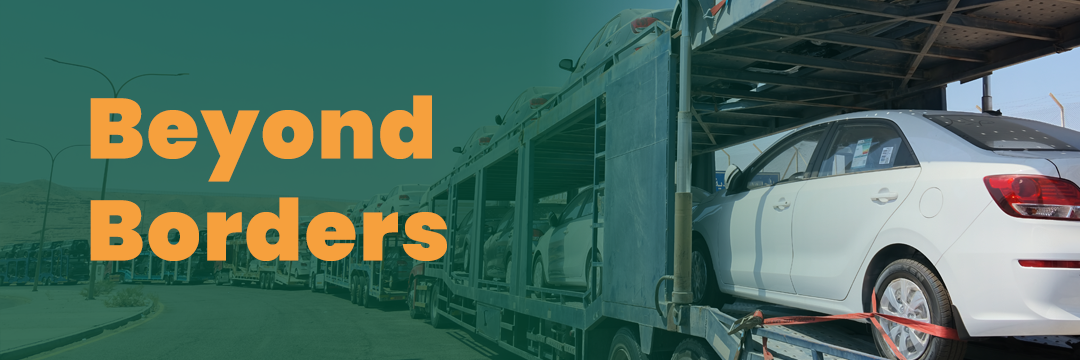
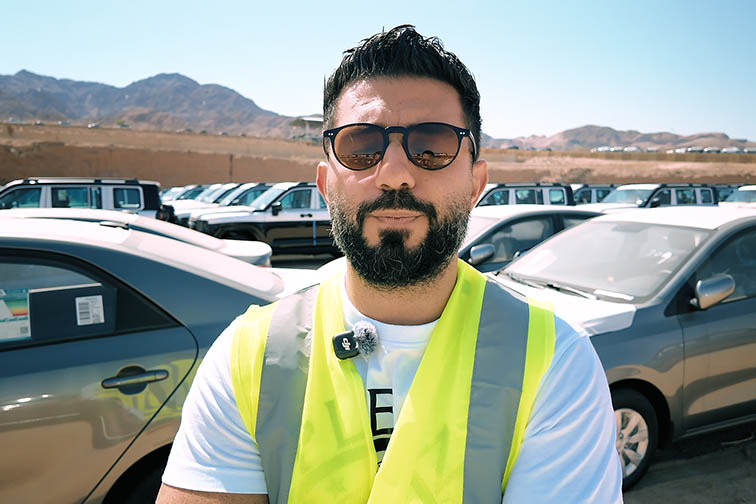
We are relying on a very capable third party being Starlinks. We've been dealing with them for a long time now. And I believe, considering the situation here, we really think they did a good job so far in terms of securing the space, storing the vehicles in a safe way and, you know, being able to pull out a big volume of vehicles on time.
When regional maritime disruptions began affecting established shipping routes, automotive importers faced growing uncertainty around vehicle arrivals, port accessibility, and the continuity of their supply chains. For United Motors Group (UMG), maintaining the movement of vehicle shipments into Saudi Arabia required an alternative approach.
As UMG's long-standing Finished Vehicle Logistics (FVL) partner in Saudi Arabia, Starlinks was already closely involved in supporting its automotive supply chain. Building on that relationship, Starlinks proactively evaluated alternative import routes and worked alongside UMG to establish a practical logistics solution through Aqaba Port in Jordan.
The operation brought together port handling, secure vehicle storage, customs clearance, and cross-border transportation, supported by Starlinks' regional logistics partners and direct operational involvement.
With approximately 7,000 vehicles within the wider project scope, the initiative demonstrated how an established logistics partnership can adapt to changing circumstances and extend operations beyond traditional routes.
Changes in regional shipping conditions led to the diversion of automotive shipments toward alternative ports, increasing pressure on infrastructure and creating new operational challenges. For Starlinks and UMG, selecting another port was only part of the challenge.
The alternative route needed to accommodate significant vehicle volumes while addressing several interconnected requirements:
Aqaba emerged as a practical alternative, but executing the solution required more than redirecting shipments. It demanded local operational expertise, close coordination between stakeholders, and the flexibility to respond to conditions on the ground.
Leveraging its experience in automotive logistics and its understanding of UMG's operational requirements, Starlinks worked with its regional partners to develop a coordinated logistics operation through Aqaba. The approach connected port operations with vehicle storage, customs clearance, and transportation arrangements to support the onward movement of vehicles into Saudi Arabia.
Throughout the project, Starlinks maintained close operational involvement, with representatives working directly alongside UMG and its partners to monitor progress, address challenges, and support execution.
The operation highlighted the importance of combining regional logistics capabilities with the understanding and trust developed through a long-term customer relationship.
During a joint operational visit to Aqaba, Bilal Drouby, UMG Group Commercial Director, acknowledged the challenges affecting the port and highlighted the importance of Starlinks' role in managing the operation.
[testimonial-1]
His comments reflected the value of an established partnership, particularly when operational conditions require flexibility, coordination, and practical problem-solving.

When regional maritime disruptions began affecting established automotive shipping routes, Starlinks worked proactively with United Motors Group (UMG), its long-standing Finished Vehicle Logistics (FVL) partner relationship in Saudi Arabia, to develop an alternative solution for maintaining vehicle imports into the Kingdom.
The changing conditions presented several challenges, including diverted shipments, increasing congestion at alternative ports, storage capacity limitations, and the complexity of coordinating cross-border vehicle movements.
Drawing on its automotive logistics experience, established operational knowledge of UMG's requirements, and regional partner network, Starlinks evaluated alternative shipping gateways and supported the establishment of an integrated logistics route through Aqaba Port in Jordan.
The solution connected multiple stages of the automotive supply chain, from RoRo vessel discharge and port handling to vehicle storage, documentation, customs clearance, cross-border transportation, and onward movement to receiving locations in Saudi Arabia.
With approximately 7,000 vehicles within the wider project scope, the operation required coordinated planning, direct operational oversight, and close collaboration between Starlinks, UMG, and local service providers.
The project demonstrated how a long-term logistics partnership can evolve beyond established operating routes to address new challenges while supporting supply chain continuity.
United Motors Group (UMG) operates within Saudi Arabia's automotive sector, where reliable inbound logistics and vehicle distribution play an essential role in supporting the availability and movement of imported vehicles. As UMG's established Finished Vehicle Logistics partner in Saudi Arabia, Starlinks was already involved in supporting the company's automotive supply chain requirements.
Through this existing relationship, Starlinks had developed an understanding of UMG's vehicle logistics needs, operating requirements, and the importance of maintaining a reliable flow of vehicles from arrival points to their designated destinations.
When maritime disruptions began affecting traditional shipping routes, this established partnership provided a foundation for evaluating alternative solutions. Rather than approaching the situation as a standalone logistics assignment, Starlinks extended its existing role by proactively exploring alternative import gateways and developing an operational approach suited to the changing conditions.
The objective was to support continuity across UMG's automotive supply chain while adapting the logistics operation to a more complex regional environment.
Automotive logistics relies on carefully coordinated movements across international shipping networks, ports, storage facilities, customs procedures, and inland transportation. Disruption at any stage can affect the availability of vehicles and create additional pressure throughout the supply chain.
As regional maritime conditions changed, established shipping arrangements became less predictable, and automotive shipments were diverted toward alternative gateways. For Starlinks and UMG, maintaining vehicle movements required a solution capable of addressing several interconnected challenges.
With established maritime routes affected by disruption, Starlinks needed to evaluate alternative gateways that could support UMG's inbound vehicle shipments. The selection process needed to consider operational feasibility, port accessibility, infrastructure availability, transportation connections, and the commercial implications of different routes.
The goal was to establish a workable alternative that could integrate with the existing automotive logistics operation in Saudi Arabia.
As shipments were redirected, alternative ports experienced increased pressure from incoming cargo volumes. At Aqaba, the concentration of automotive shipments created challenges around vehicle handling, storage availability, and the movement of vehicles out of the port.
Congestion at port exit gates introduced additional delays, requiring close monitoring and coordination between operational stakeholders.
Finished vehicles require appropriate storage and handling conditions to protect their condition while maintaining control over inventory and vehicle movements. Given the scale of the project, securing suitable storage arrangements was essential.
The solution needed to support incoming shipments, temporary vehicle storage, and organized release for onward transportation.
Establishing an alternative route through Jordan added operational stages that needed to be aligned with the receiving network in Saudi Arabia. Documentation, customs clearance, vehicle readiness, transport availability, and border procedures all required coordination between multiple parties.
Any delays or misalignment could affect the movement of vehicles through subsequent stages.
The operation involved multiple stakeholders, including port operators, storage providers, customs partners, transport providers, and receiving teams. Maintaining clear communication and understanding changing conditions on the ground was critical to keeping the various stages coordinated.
For Starlinks, this meant combining route planning with direct operational involvement and close engagement with UMG.
Building on its existing FVL partnership with UMG, Starlinks worked to develop a connected logistics solution linking Aqaba Port in Jordan with receiving locations in Saudi Arabia. The approach focused on coordinating the complete vehicle movement process rather than addressing individual services in isolation.
By combining route evaluation, port operations, storage arrangements, customs clearance, and transportation coordination, Starlinks and its partners established an alternative operating model designed around the requirements of UMG's automotive supply chain.
Starlinks assessed a number of potential alternatives, including Fujairah, Khor Fakkan, and ports in Oman, alongside Aqaba in Jordan. Each option presented different considerations in terms of infrastructure, operational accessibility, transportation connections, and overall logistics feasibility.
Following the evaluation, Aqaba emerged as a practical alternative for supporting vehicle imports into Saudi Arabia. Its location and cross-border connection provided a route through which vehicles could be received, handled, stored where necessary, and transported onward to Saudi destinations.
Once the route was identified, Starlinks worked with UMG and its local partners to establish the required operating arrangements.
The operational process began with the arrival and discharge of RoRo vessels at Aqaba Port. Starlinks worked closely with local partners to coordinate vehicle handling, collection, and release procedures.
This required alignment around vessel arrivals, discharge activities, vehicle availability, and the conditions affecting onward movements. Given the congestion at Aqaba, maintaining close communication with the relevant port stakeholders was particularly important.
The team needed to respond to changing operating conditions while supporting the organized movement of vehicles through the port process.
A key component of the alternative route was the ability to accommodate incoming vehicles while coordinating their subsequent movement. Starlinks worked with its local partners to secure suitable storage arrangements and support vehicle handling and yard operations.
Where required, storage within the ASEZA Free Zone formed part of the wider operational setup. The arrangements supported the temporary storage of vehicles, their organization within the available facilities, and their controlled release for onward transportation.
This helped create a more structured connection between port discharge and the transportation process, particularly where congestion prevented the immediate movement of vehicles.
Moving vehicles between Jordan and Saudi Arabia required careful coordination of customs procedures, regulatory documentation, and operational requirements. Starlinks worked closely with UMG and local partners to coordinate and facilitate the necessary customs clearance and documentation processes across both countries.
This involved aligning the parties responsible for the required procedures, managing the associated documentation flow, and coordinating vehicle readiness for cross-border movement. Integrating clearance activities into the broader logistics operation helped maintain alignment between port handling, vehicle storage, border procedures, and onward transportation.
Following the required handling, storage, and clearance processes, vehicles were prepared for transportation from Aqaba toward the Jordan–Saudi border. Starlinks coordinated with its transportation partners to support the movement of vehicles into Saudi Arabia and onward to their designated receiving locations.
The operation required alignment between vehicle availability, transport capacity, customs procedures, and destination requirements. Receiving locations included Starlinks' automotive network in Saudi Arabia, with the Al Jumum area forming part of the applicable destination arrangements.
The objective was to connect the alternative route with existing FVL operations while maintaining the coordination required to manage vehicle movements across borders.
The alternative logistics solution brought together six interconnected stages:
Together, these stages formed an integrated operating process that required coordination across multiple organizations and locations.
One of the defining aspects of the Aqaba project was the importance of maintaining direct operational involvement. While logistics planning provides the foundation for a successful operation, conditions at ports and border crossings can change quickly, particularly when infrastructure is under pressure from unexpected shipment volumes.
To maintain visibility into the operation, Starlinks representatives were present on the ground alongside UMG and its local partners. This involvement allowed the teams to assess operating conditions directly, review storage and handling arrangements, monitor vehicle movements, and address operational challenges through direct communication.
The joint visit to Aqaba provided an opportunity to evaluate the situation firsthand and maintain alignment around the challenges facing the operation. For Hazim Bisharat, Customer Success Manager at Starlinks, this approach was central to the team's role.
"It's about managing the automotive supply chain and the full operations, and staying close to every critical point for operations and the process itself."
Hazim Bisharat
Customer Success Manager, Starlinks
With multiple vehicle brands and shipments moving through the route, close coordination helped the team maintain oversight of the interconnected activities involved.
The on-the-ground approach also reinforced the importance of Starlinks' existing relationship with UMG, allowing both organizations to work collaboratively as circumstances evolved.
[video-1]
The Aqaba operation demonstrated the importance of an adaptable logistics model and close operational coordination in responding to supply chain disruption.
While port congestion and operational constraints remained challenges, Starlinks and UMG established and operated an alternative route supported by several interconnected logistics services.
The Aqaba route provided a practical alternative for vehicle shipments affected by disruptions to established maritime routes. By extending operations through Jordan, Starlinks helped UMG access an additional logistics pathway into Saudi Arabia.
Starlinks and its local partners secured storage arrangements for incoming vehicles despite the additional pressure on Aqaba's infrastructure. These arrangements supported vehicle handling, temporary storage, and the controlled release of vehicles for onward transportation.
With approximately 7,000 vehicles within the wider project scope, the operation required coordinated planning across port handling, storage, customs clearance, and transportation. The scale highlighted the importance of having the operational capabilities and partner relationships required to manage large automotive shipments through alternative routes.
Starlinks supported the integration of customs clearance, documentation, and transportation activities across Jordan and Saudi Arabia. Working alongside UMG and local partners helped connect the different stages of the operation within a coordinated logistics process.
Starlinks' presence in Aqaba helped maintain close coordination between the organizations involved. Direct engagement with UMG and the local operating partners supported a shared understanding of operational priorities and the challenges affecting vehicle movements.
Congestion at port exit points affected the pace of vehicle movements, highlighting the operational constraints facing the alternative route. Despite these conditions, the teams continued coordinating storage, vehicle pullouts, and onward transportation, adapting their approach as the situation developed.
The operation demonstrated the importance of maintaining flexibility and operational control when external conditions cannot be fully predicted.
The Aqaba project reinforced the importance of an established customer relationship, particularly when operations extend beyond familiar routes and infrastructure. During the joint visit, Bilal Drouby, UMG Group Commercial Director, described the pressure facing Aqaba and the challenges created by the diversion of significant shipment volumes.
He also emphasized the company's confidence in Starlinks as its logistics partner.
[testimonial-1]
Bilal acknowledged Starlinks' efforts to secure vehicle storage space, support safe handling, and coordinate the pullout of significant vehicle volumes despite the difficulties experienced at the port. His assessment also recognized the delays associated with congestion at the exit gates, reflecting the operational realities affecting the project.
For both organizations, the situation demonstrated the value of maintaining an established working relationship and collaborating closely to address challenges as they arise.
The project was not about building a new partnership in response to a single challenge. It was about extending an existing relationship to support an evolving logistics requirement.
The ability to evaluate alternative gateways before or during disruption is an important component of automotive supply chain resilience. By exploring regional options and coordinating an alternative operating model, Starlinks supported UMG's ability to adapt to changing maritime conditions.
Redirecting vessels is only one part of the process. A workable alternative route also requires vehicle handling capacity, storage arrangements, customs clearance, documentation, transportation connections, and suitable receiving operations.
The Aqaba project demonstrated the importance of evaluating and coordinating these elements together.
Working across borders requires an understanding of local infrastructure, operating procedures, and the practical constraints affecting vehicle movements. Starlinks' collaboration with local partners was essential to coordinating the different stages of the Aqaba operation.
Being present at the operating location allowed Starlinks and UMG to assess conditions firsthand, maintain direct communication, and work more closely with the parties involved. This approach was particularly valuable in an environment affected by congestion and changing operational conditions.
An established customer relationship provides familiarity with operational requirements, existing processes, and business priorities. For Starlinks and UMG, that foundation supported the development of an alternative solution extending beyond the established FVL operating model in Saudi Arabia.
The UMG Aqaba project reflects Starlinks' broader approach to automotive logistics: connecting the different stages of the supply chain through coordinated services, operational expertise, and regional partnerships.
Across Saudi Arabia, the GCC, and beyond, Starlinks supports automotive businesses with solutions spanning:
The ability to bring these capabilities together is particularly important when automotive supply chains encounter disruption or require new operating models.
For UMG, the Aqaba operation represented an extension of an existing logistics partnership, bringing together established automotive expertise and regional operational capabilities to support changing requirements.
The Aqaba project was more than an alternative route for automotive shipments. It demonstrated how an established logistics partnership can respond proactively to disruption, extend operations across borders, and coordinate the different elements required to support a complex automotive supply chain.
For UMG, Starlinks was already a trusted FVL partner in Saudi Arabia. When regional maritime conditions changed, Starlinks worked alongside UMG to develop and support an alternative logistics solution that addressed the realities of the operating environment.
From evaluating alternative ports to coordinating vehicle storage, customs clearance, and cross-border transportation, the project reinforced the value of an integrated approach.
As Chadi Alabbassy, Head of Marketing at Starlinks, explained during the visit:
"Automotive logistics doesn't stop at the yard, the warehouse or the border."
The operation demonstrated what it means to be present where the work happens, adapt to evolving circumstances, and collaborate with customers to support the movement of their supply chains.
Because strong logistics partnerships go beyond delivering services. They are built on understanding the customer's business, anticipating challenges, and finding ways forward together.
An on-the-ground perspective from Starlinks and UMG on the operational challenges, alternative logistics approach, and importance of working closely together.
The video provides an additional perspective on the project, showing the realities of managing automotive logistics in a challenging operating environment and the collaboration required to maintain progress.


